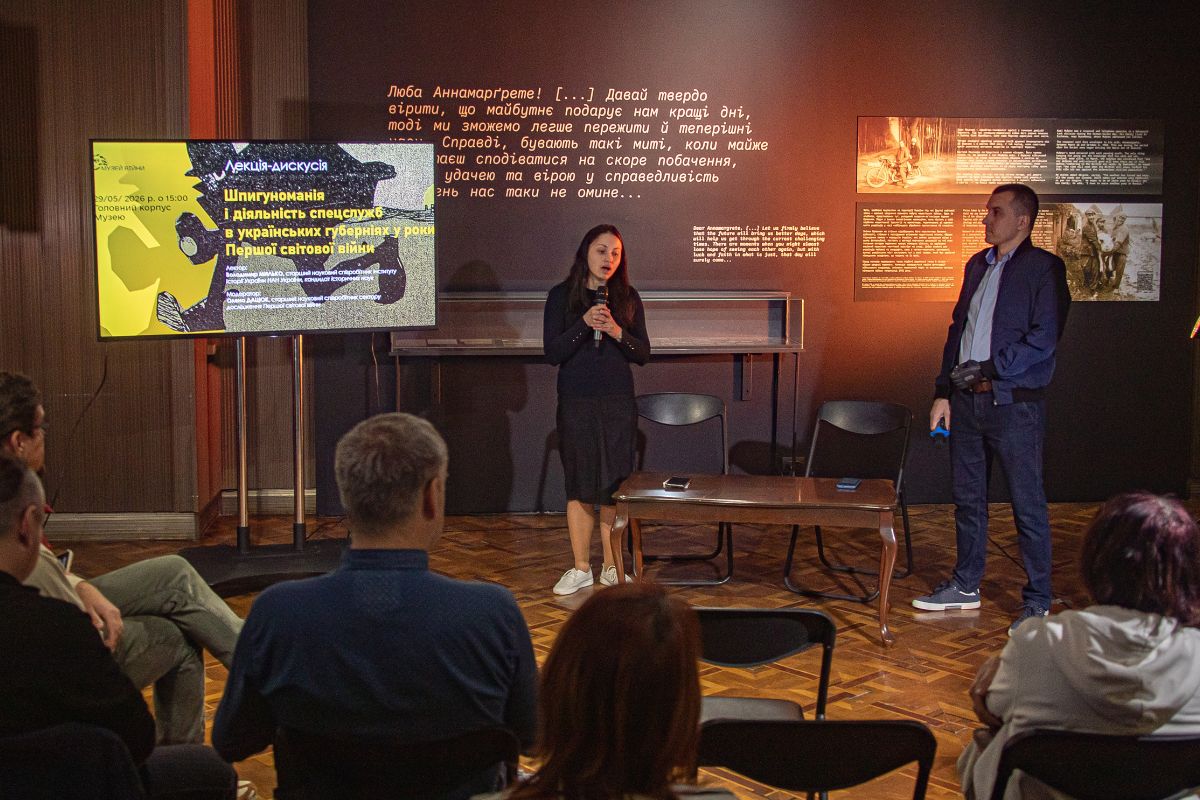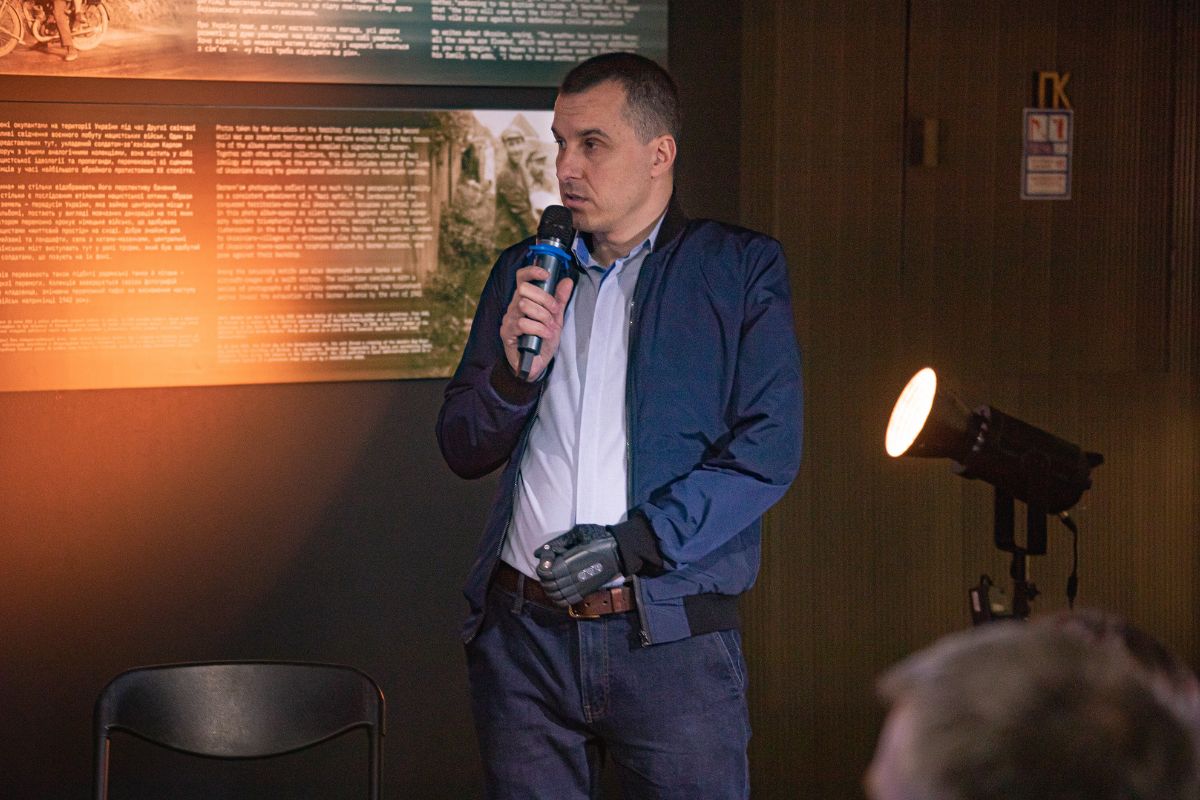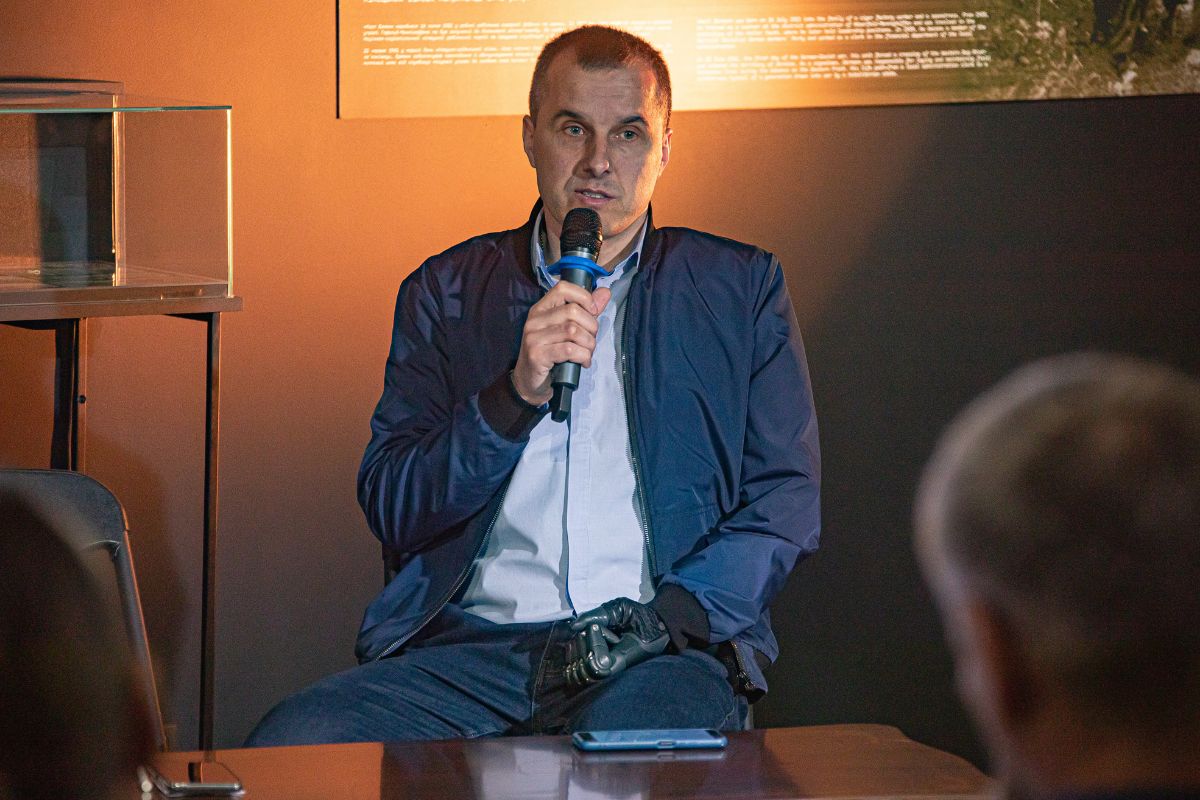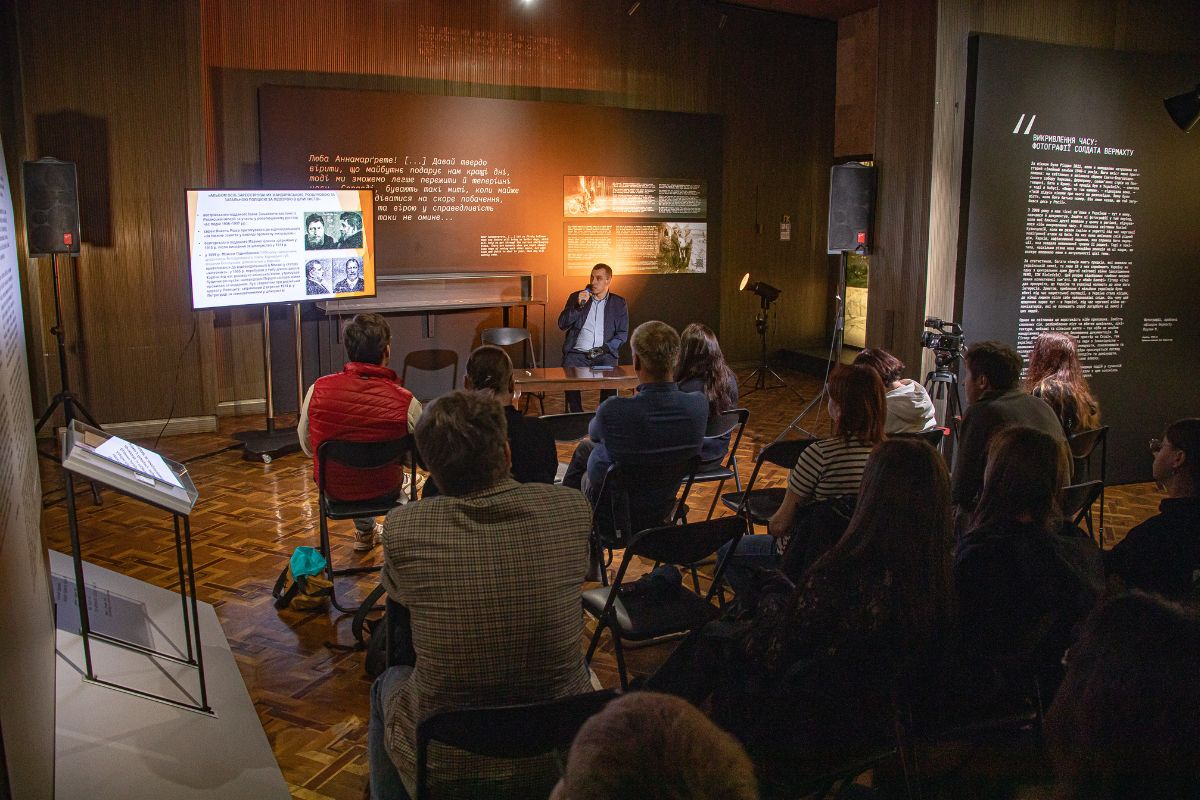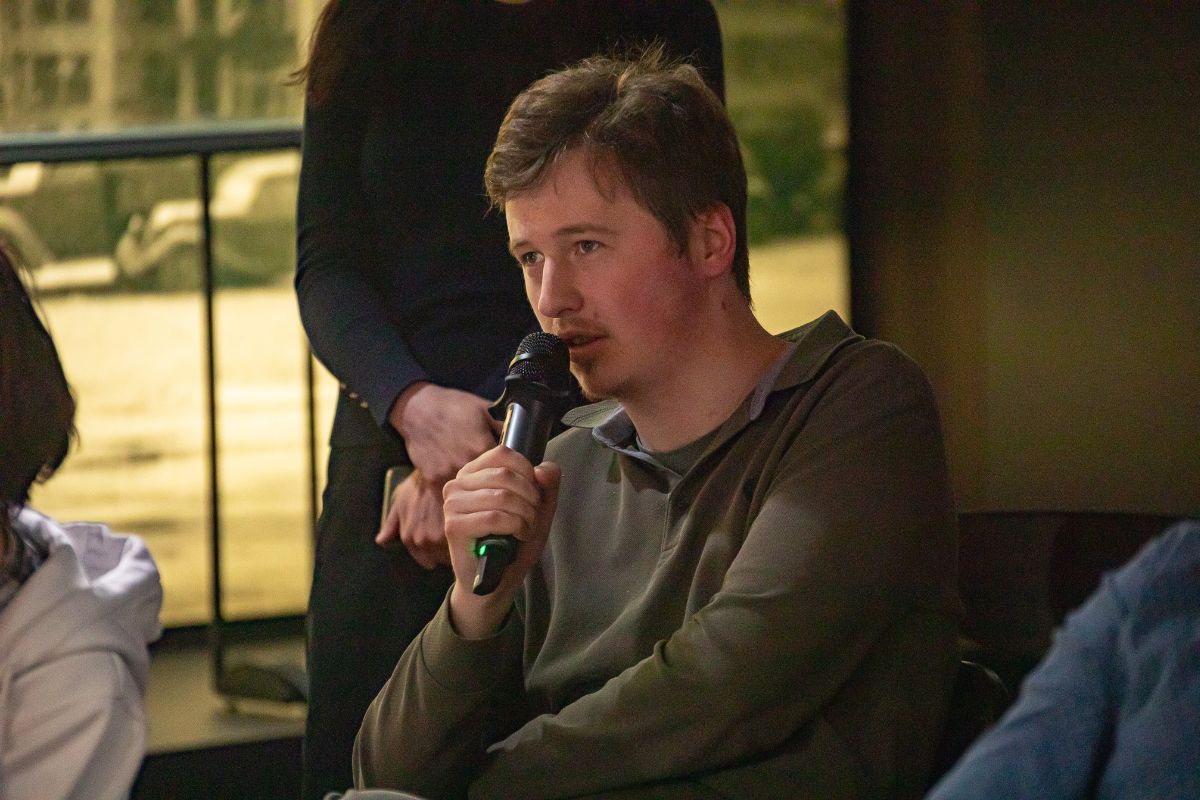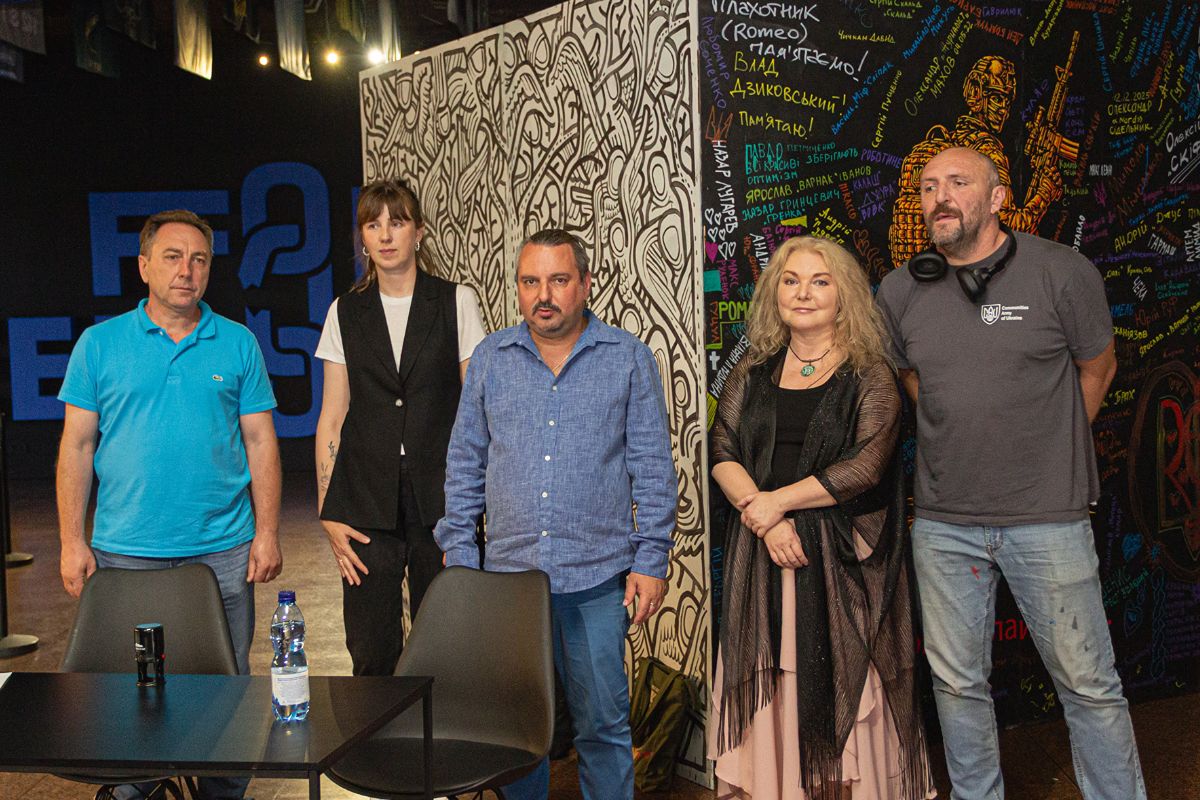


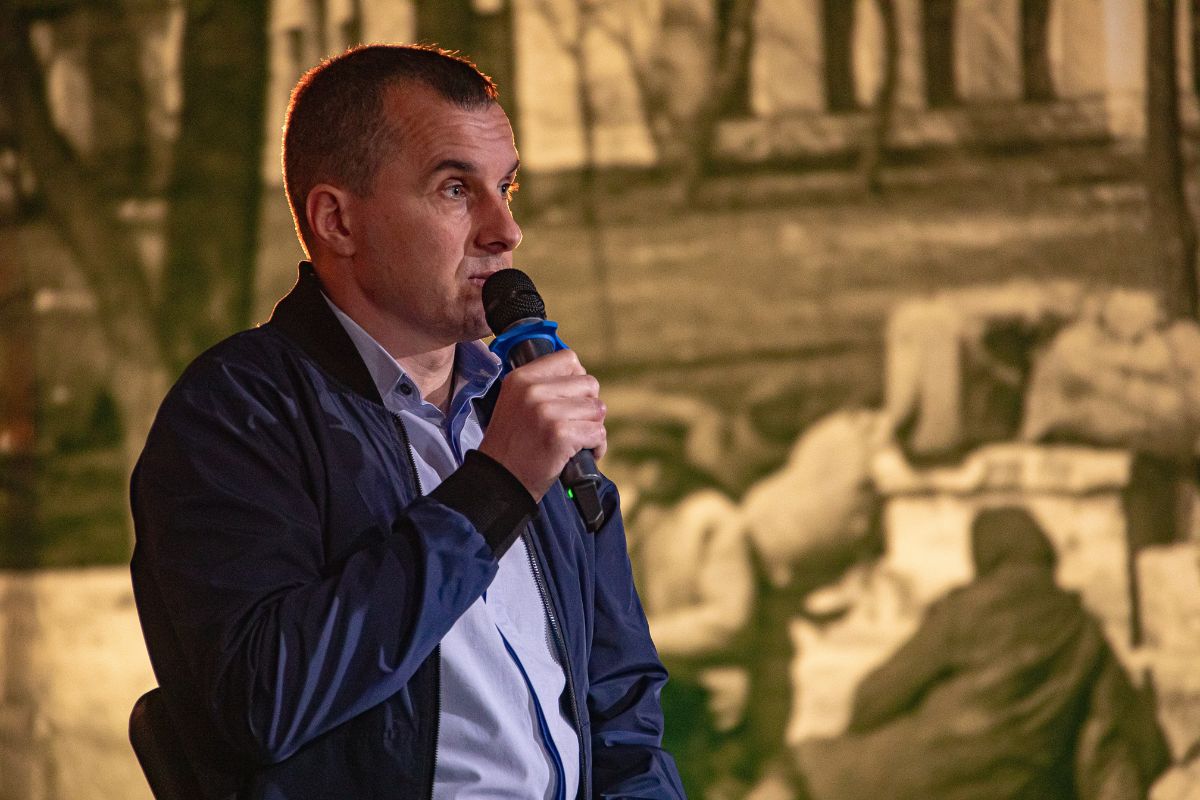
The War Museum hosted an open lecture and discussion devoted to little-known aspects of the intelligence rivalry between the Austro-Hungarian and Russian Empires in the early 20th century. The speaker was Volodymyr Mylko, Candidate of Historical Sciences and Senior Researcher at the Institute of History of Ukraine of the National Academy of Sciences of Ukraine.
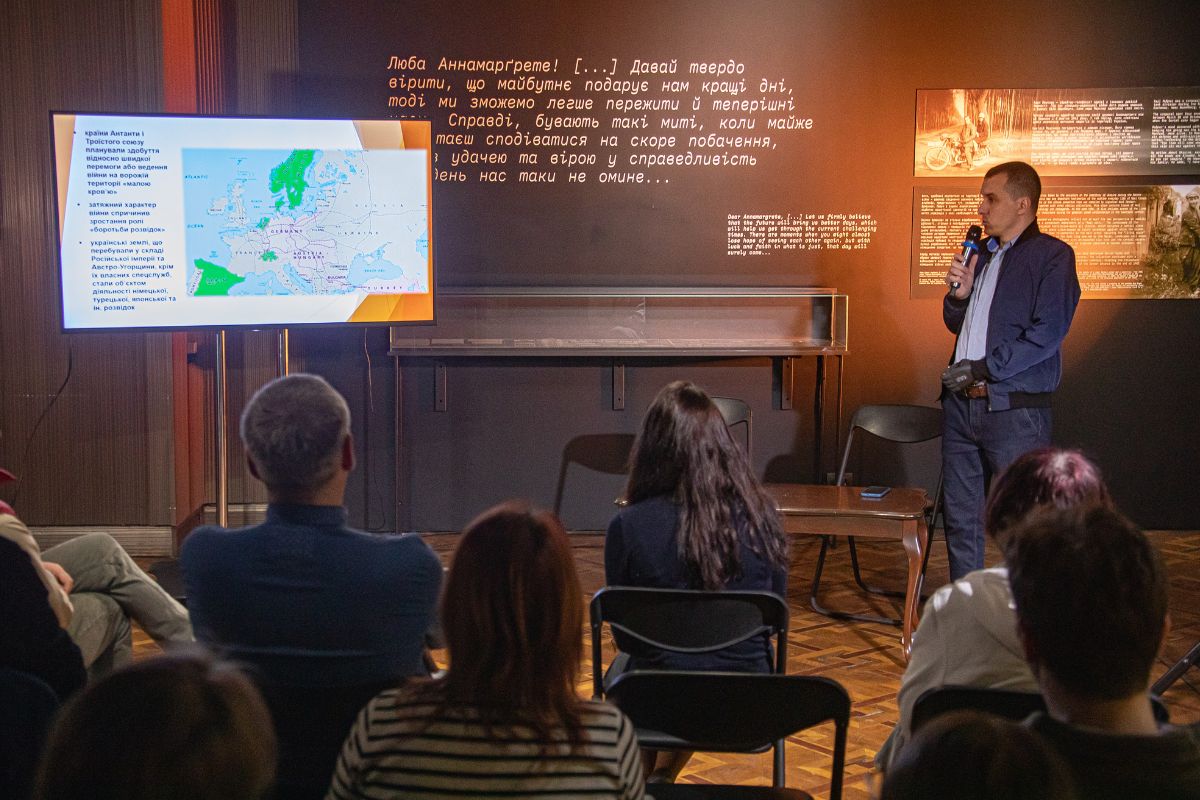
At the beginning of the First World War, both the Entente and the Triple Alliance expected a swift victory, hoping to wage the war on foreign territory and with minimal bloodshed. However, the war became protracted, and the role of intelligence and counterintelligence grew dramatically. The Ukrainian lands, divided between the Russian Empire and Austria-Hungary, became a key arena of intelligence rivalry. Alongside Austrian and Russian agencies, German, Ottoman, Japanese, and other intelligence services were also active in the region.
The lecture examined the activities of the Russian Empire’s intelligence services in the Ukrainian lands. Military counterintelligence began to take shape in 1913, and in June 1915 it received a set of “Instructions on Counterintelligence in Wartime”.
As the war dragged on, it triggered widespread spy mania that affected both society and government institutions. Contemporaries described it as a wave of hostility and a “search for a fifth column”: ordinary people would detain suspicious passers-by in the streets, while others used martial law to settle personal scores.
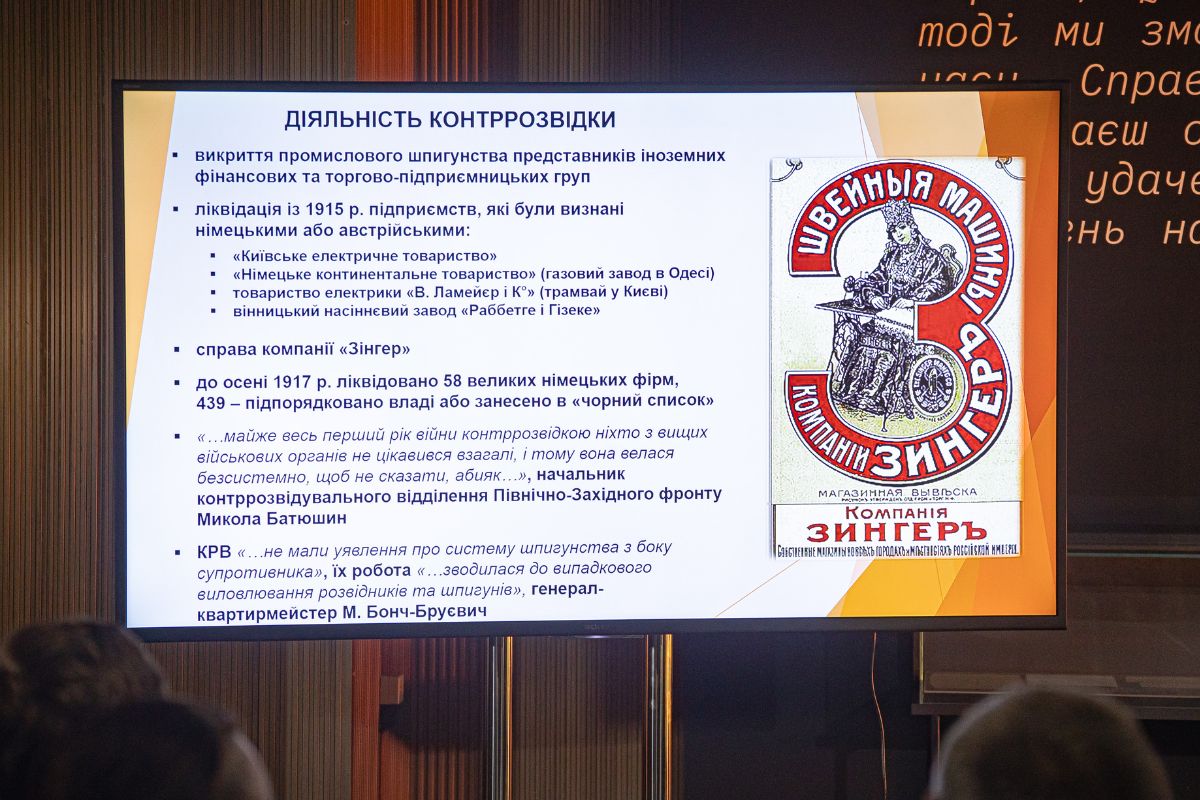
The lecture demonstrated how the First World War distorted social relations in the Ukrainian governorates. The legitimate need to protect state security and develop counterintelligence turned into mass hysteria, the deportation of entire ethnic groups, and an atmosphere of total distrust in which anyone could be branded a “spy”, from a major industrialist to a fortune-teller near a railway station.
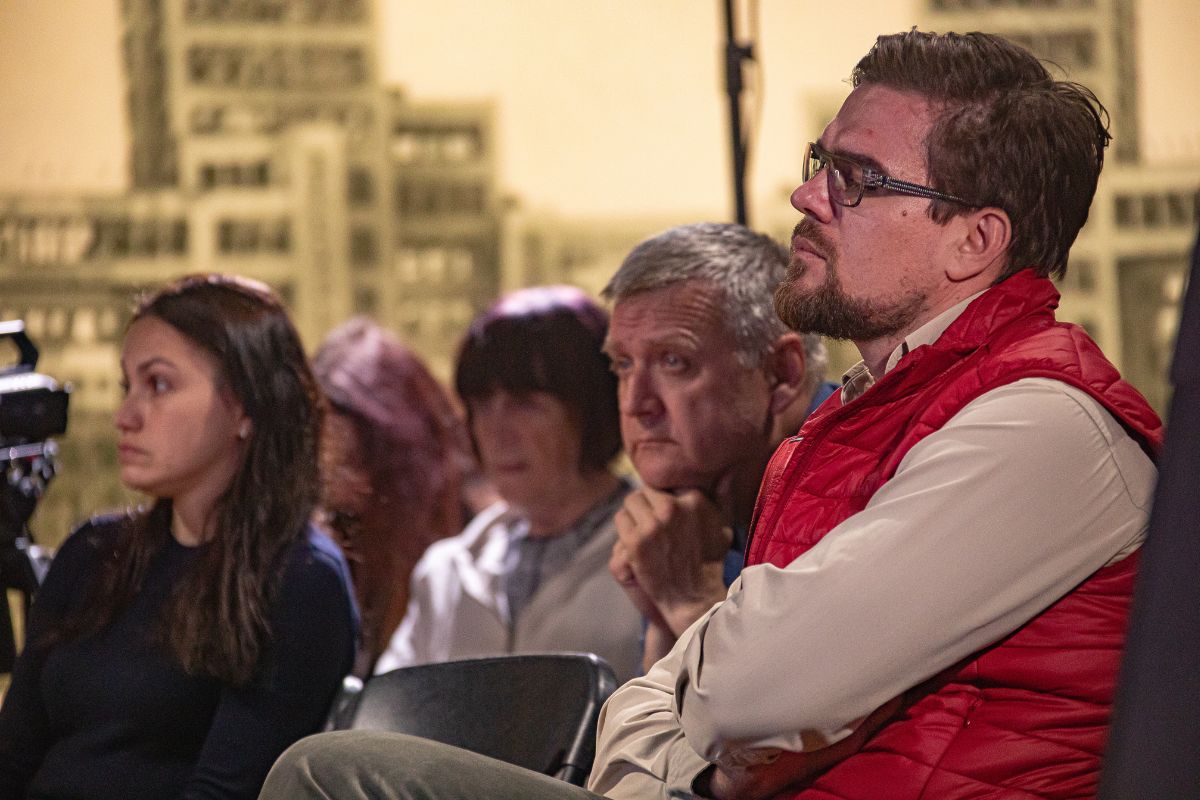
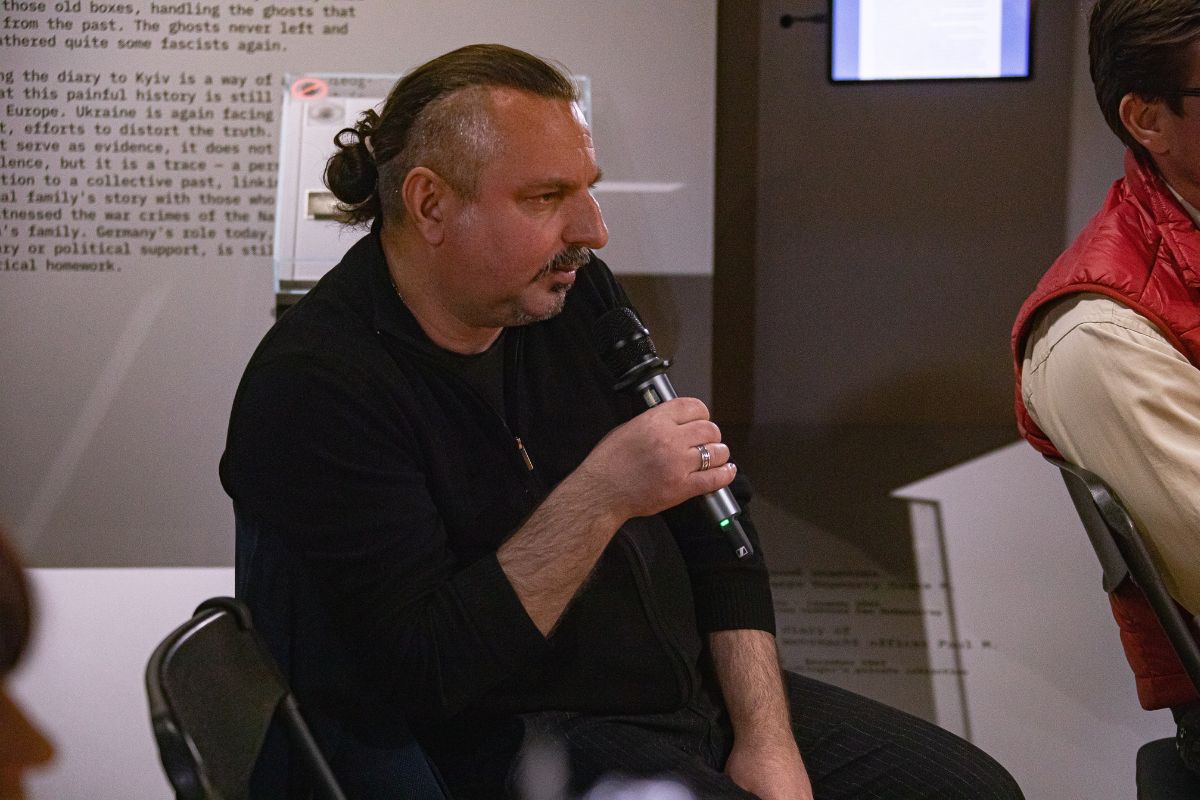
The discussion gave participants an opportunity not only to engage with the historical context but also to draw parallels with the present, as issues of security, trust, and information threats remain extremely relevant today.
We are grateful to everyone who joined the discussion for their interest and thoughtful questions. Together, we continue to explore the complex pages of history.