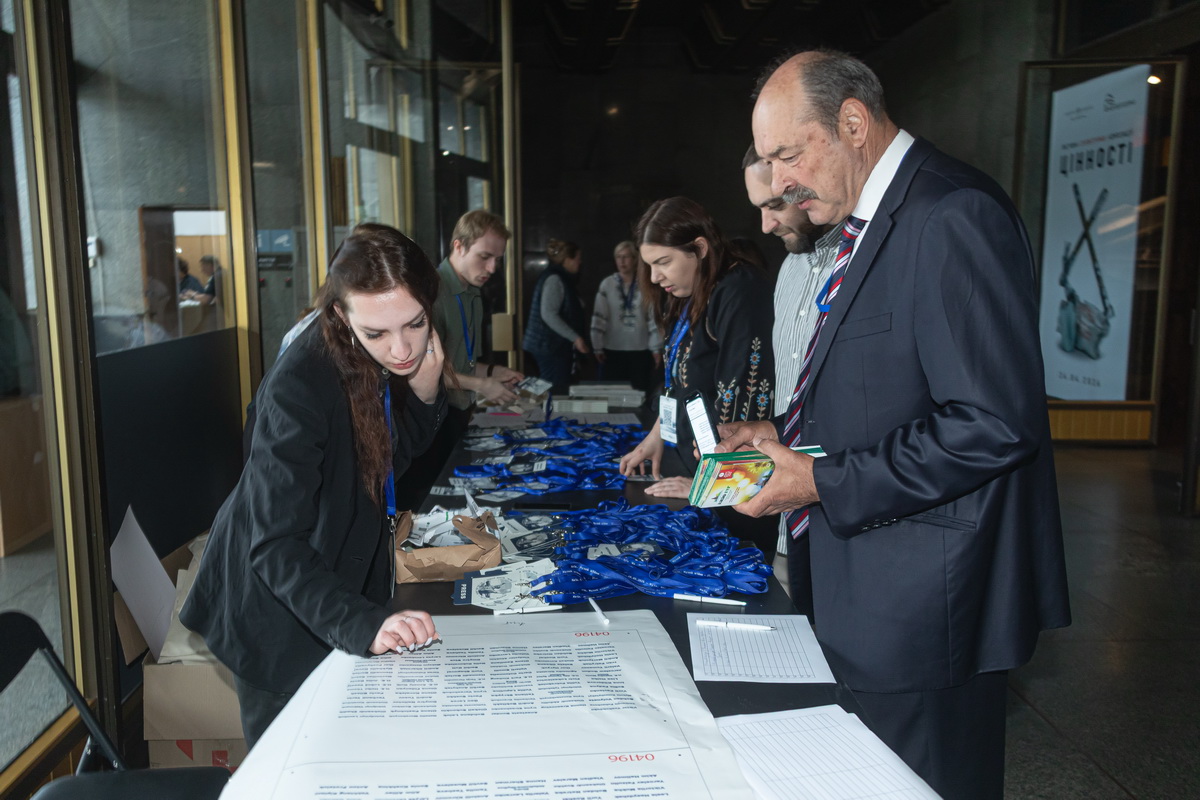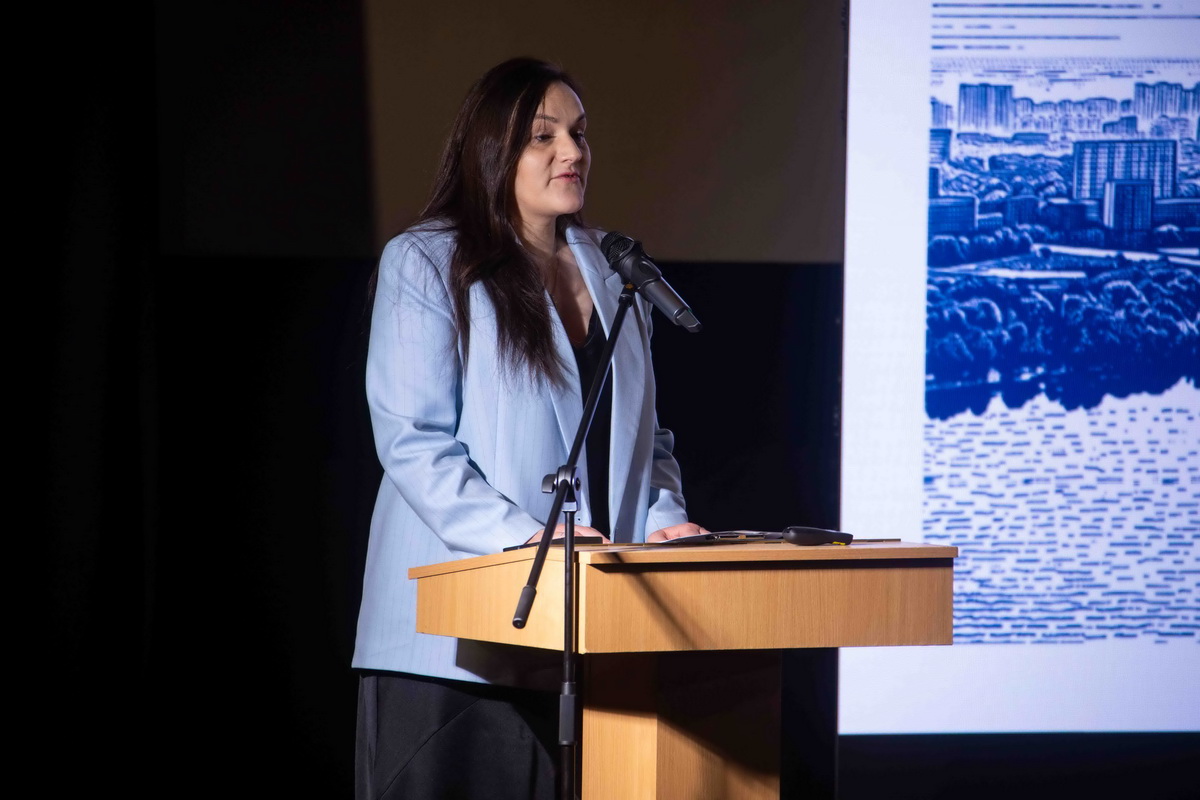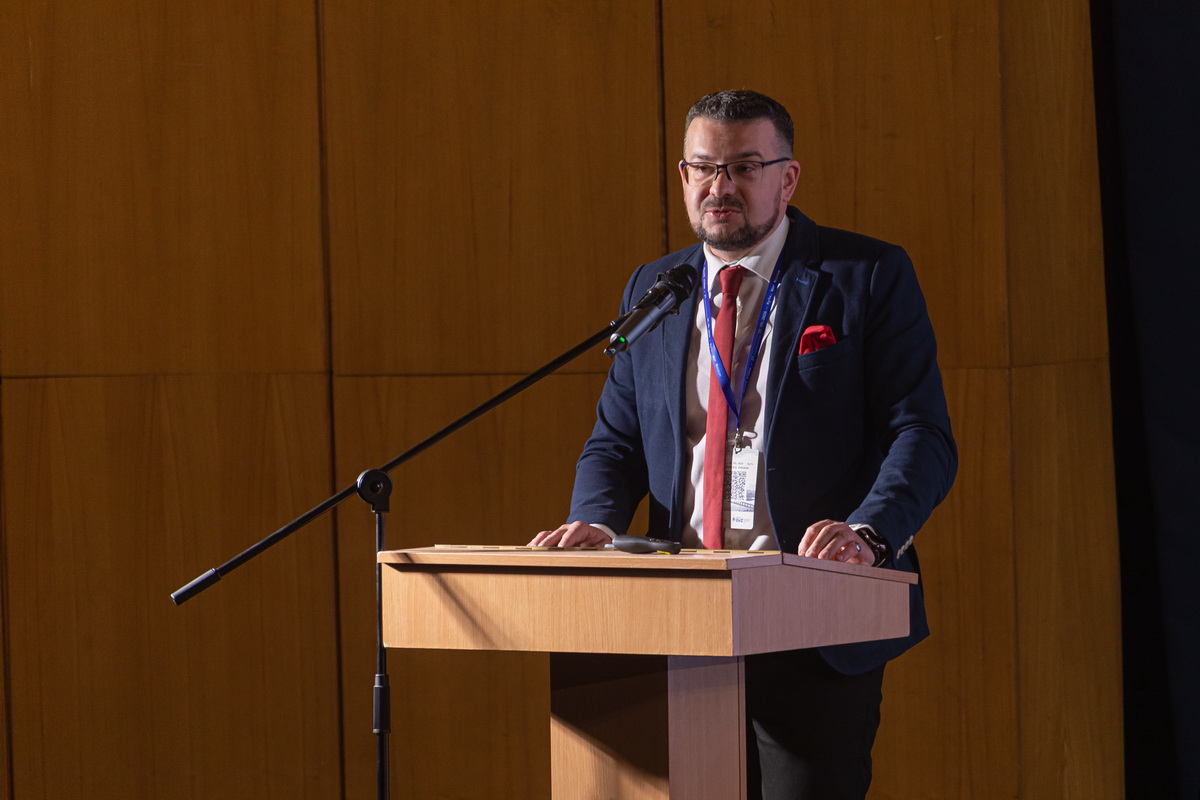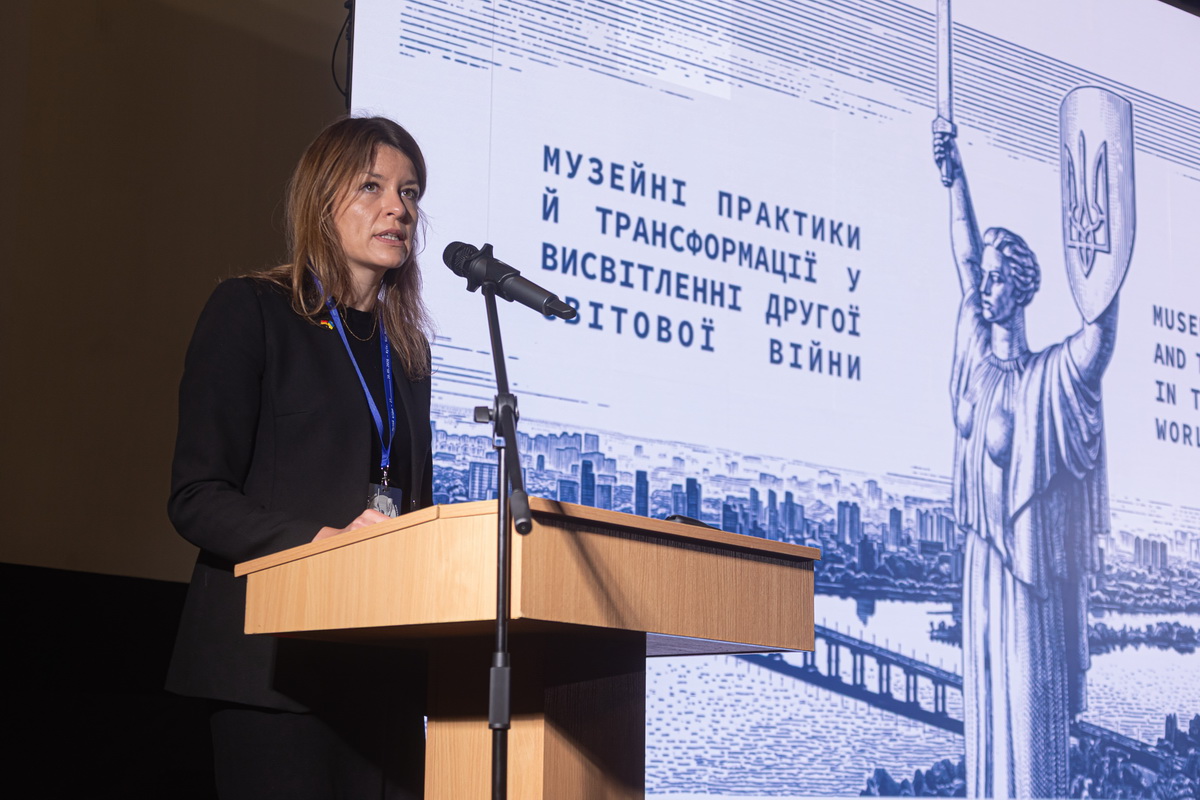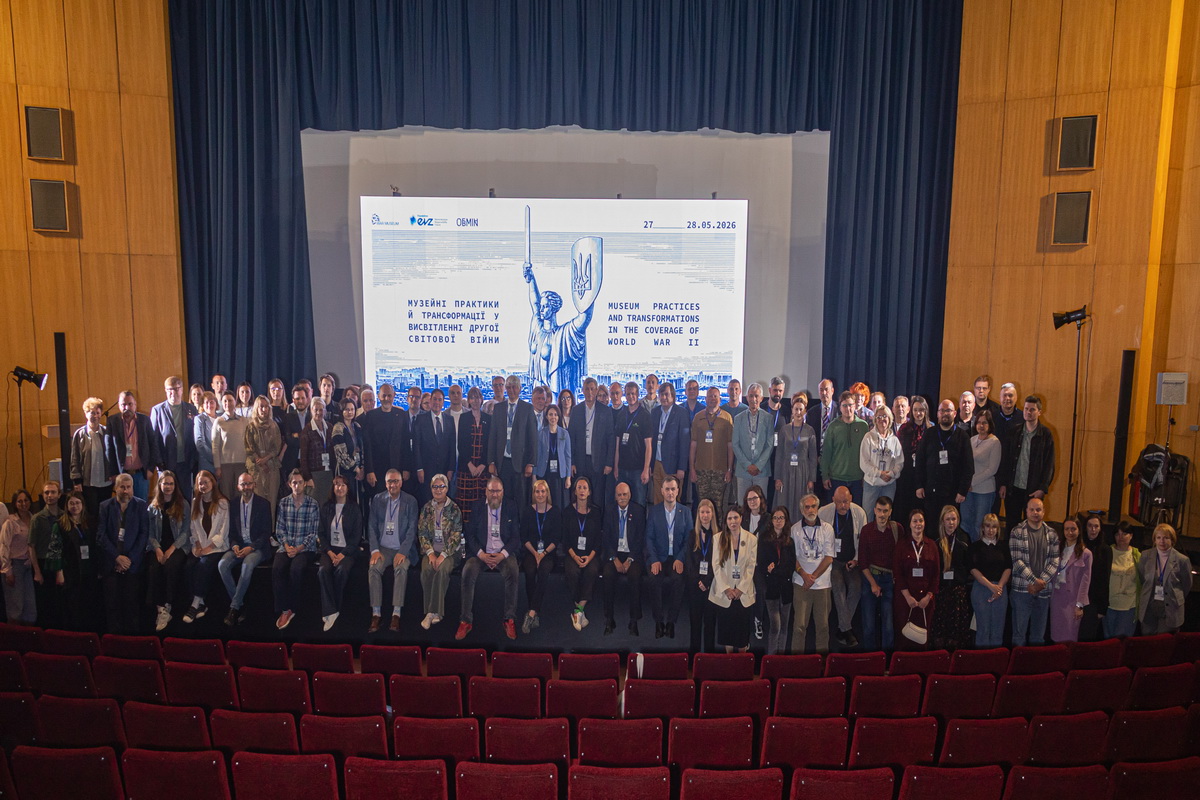


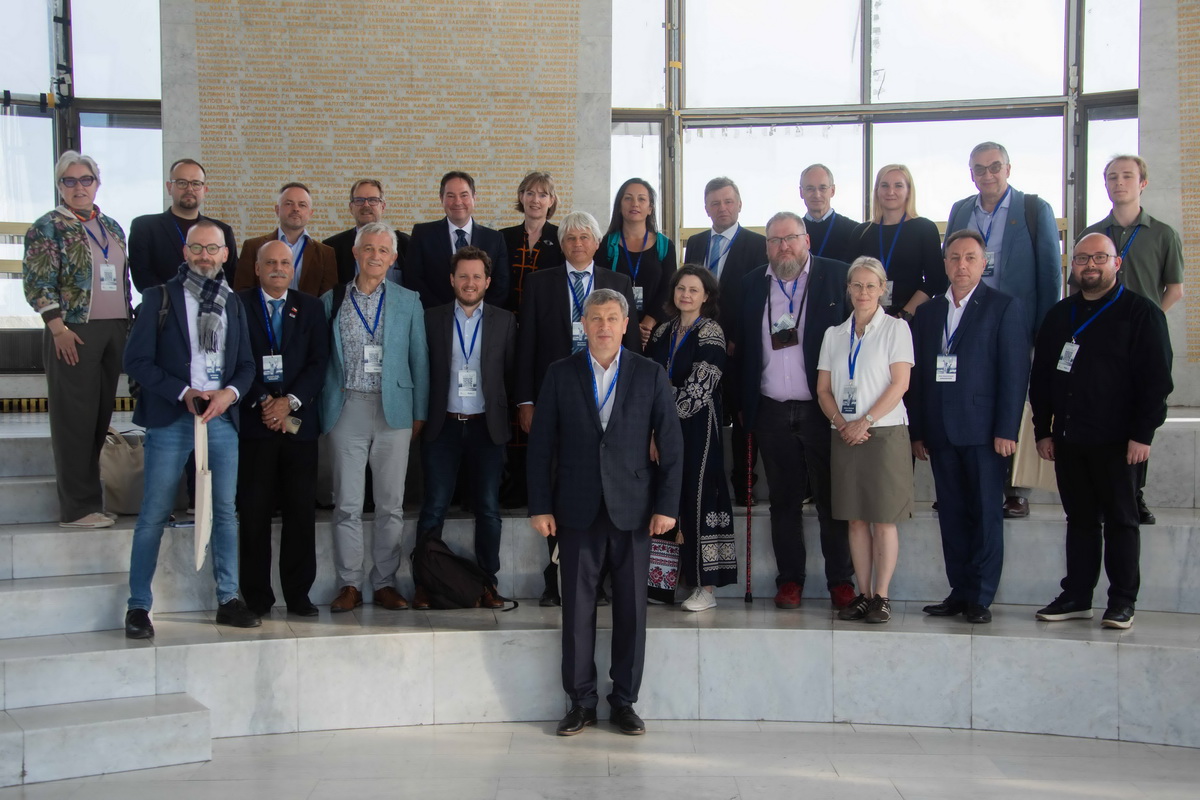
On May 27, the international conference “Museum Practices and Transformations in the Coverage of World War II” opened at the War Museum. It brought together museum professionals, historians, memory studies researchers, and representatives of cultural institutions from Ukraine and 12 European countries. The conference was organized by the Museum with funding from the Foundation Remembrance, Responsibility and Future (EVZ Foundation), based in Berlin, Germany.
The event was opened by Tetiana Berezhna, Deputy Prime Minister for Humanitarian Policy of Ukraine and Minister of Culture of Ukraine. In her remarks, she emphasized the importance of international cooperation in preserving historical memory.
“Russian aggression has forced Ukrainian museum professionals to work under extraordinary conditions. Yet research, exhibition, and scholarly work continue. It is especially valuable that we are supported by colleagues from around the world and that, despite the danger, you have come here for a higher mission: to study the past and pass on its memory to future generations,” she said.
Oleksandr Alfyorov, Head of the Ukrainian Institute of National Memory, emphasized that understanding the Second World War in the context of the modern russian-Ukrainian war opens up new approaches to the study of history for both Ukrainian and international scholars.
Celina Hübner, First Secretary of the Political Department at the Embassy of the Federal Republic of Germany in Ukraine, thanked the international participants who had come to Ukraine despite the risks of war, noting that their presence was a powerful expression of solidarity and commitment to shared principles at a critical moment for their Ukrainian colleagues.
Dr. Ralf Possekel, Head of Project Planning at the Foundation Remembrance, Responsibility and Future, the project partner, joined the event online. He emphasized that, even more than 80 years after the end of World War II, these tragic events remain highly relevant to researchers and society as a whole.
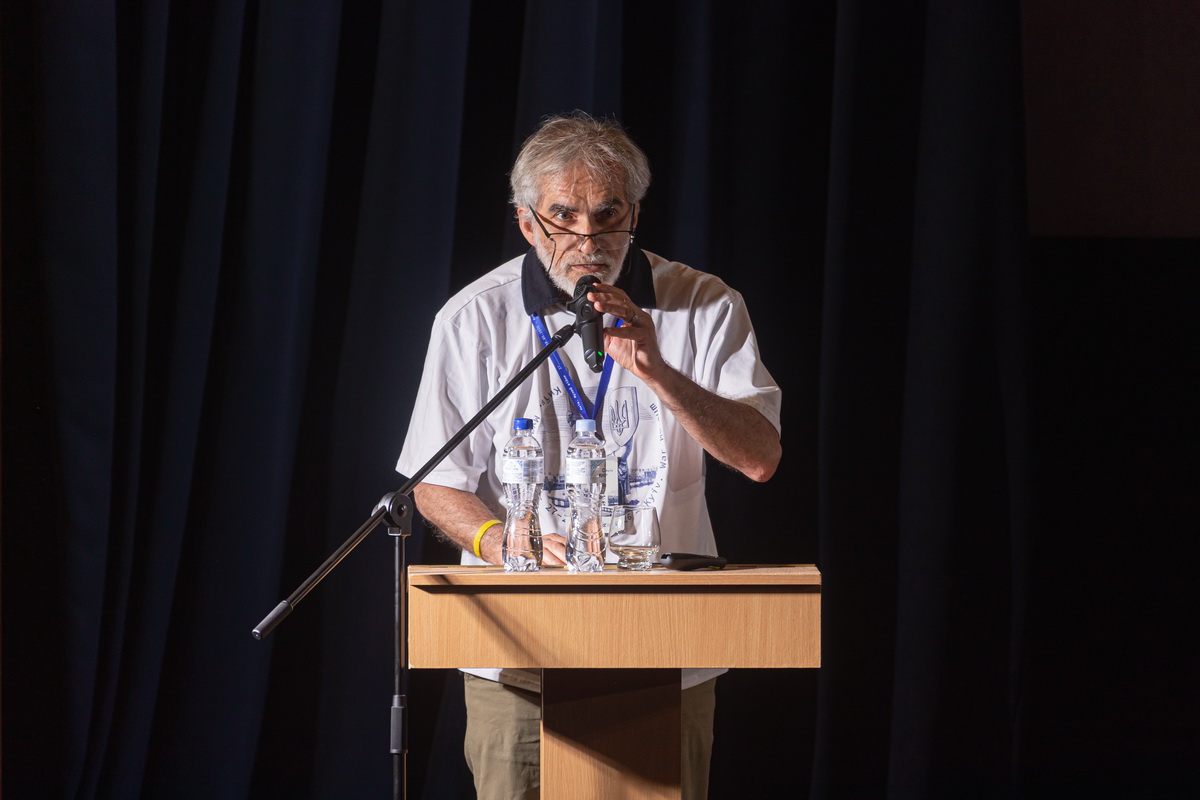
The inaugural lecture, “The Second World War: The Ukrainian Dimension,” was delivered by Yaroslav Hrytsak, historian and professor at the Ukrainian Catholic University. He outlined a range of important issues concerning the role of Ukrainians in the largest conflict of the 20th century.
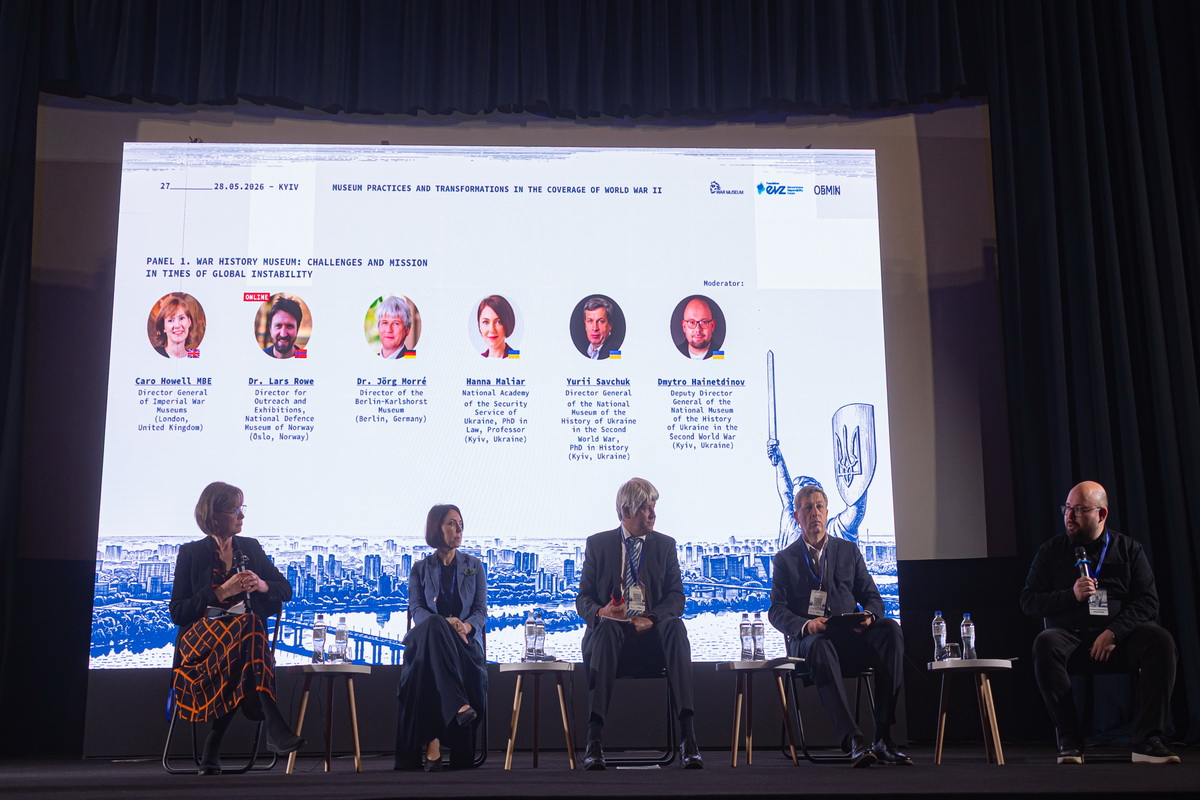
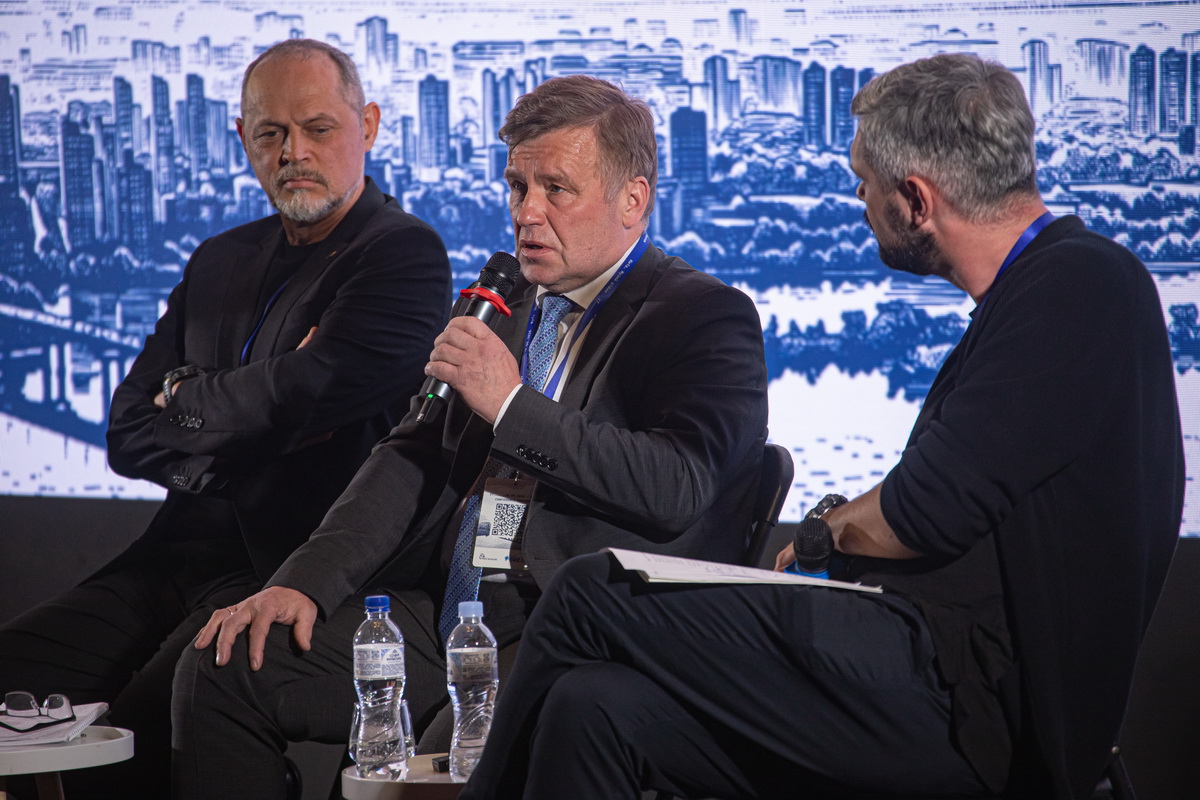
The first panel focused on the challenges and mission of war museums in a time of global instability. The discussion explored how museums can address complex historical topics, encourage critical reflection on war, and use contemporary exhibition approaches to speak meaningfully to today’s audiences.
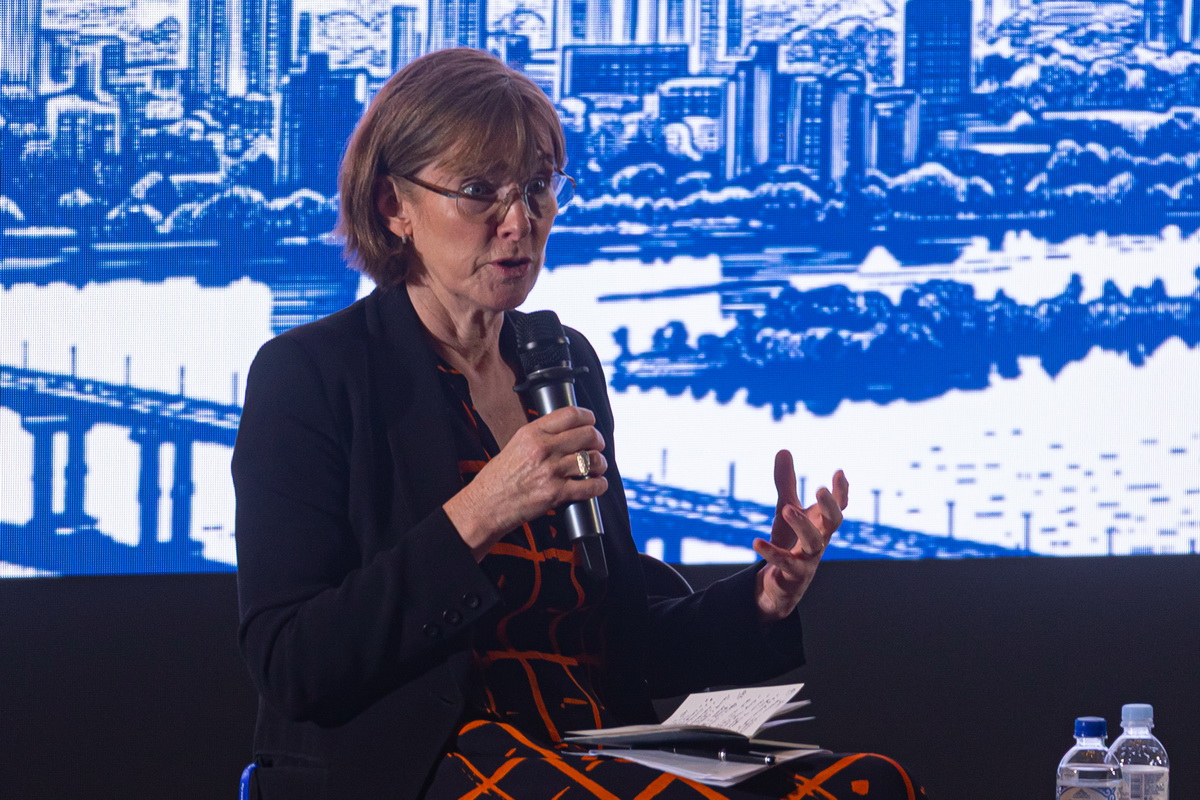
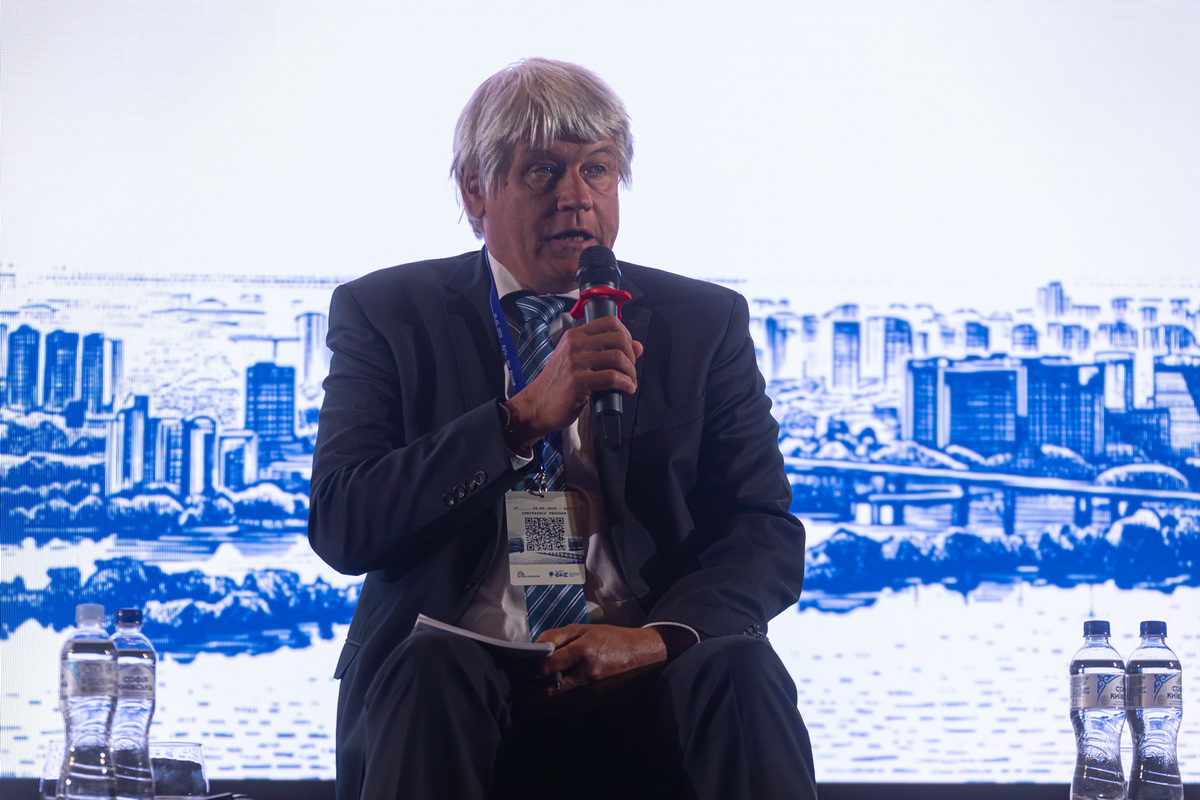
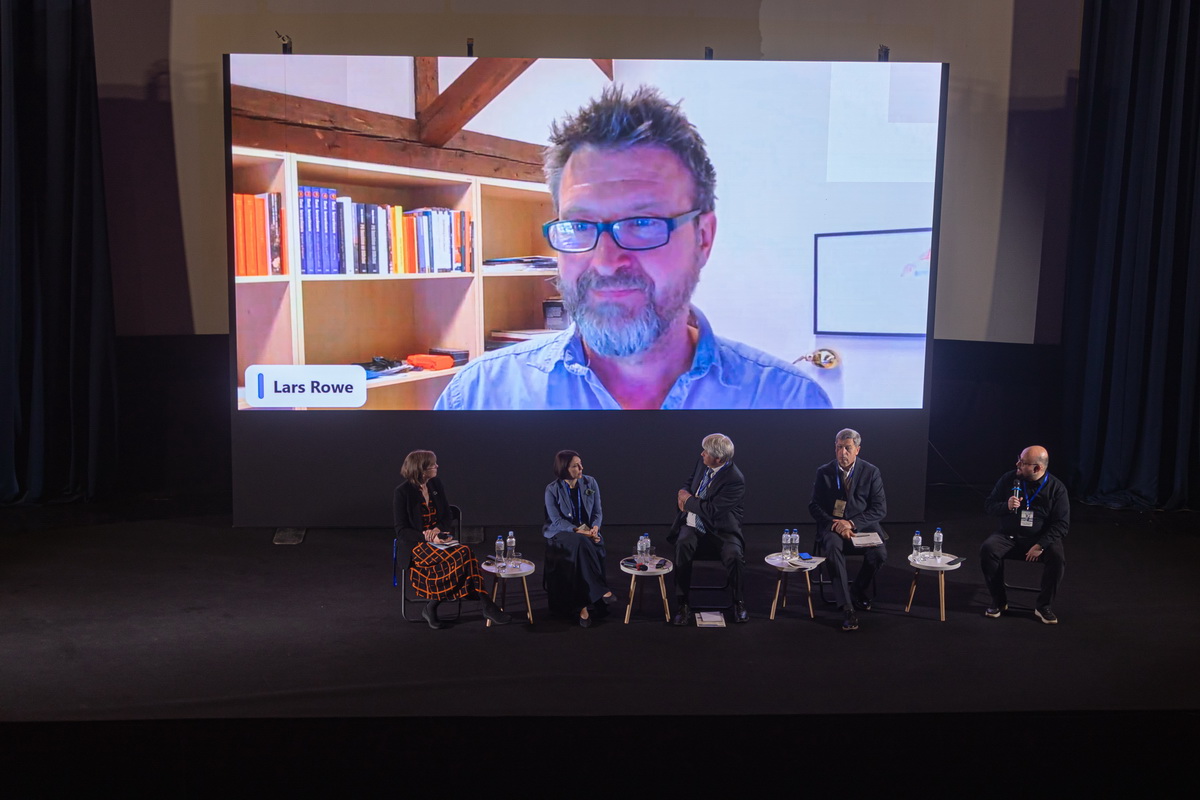
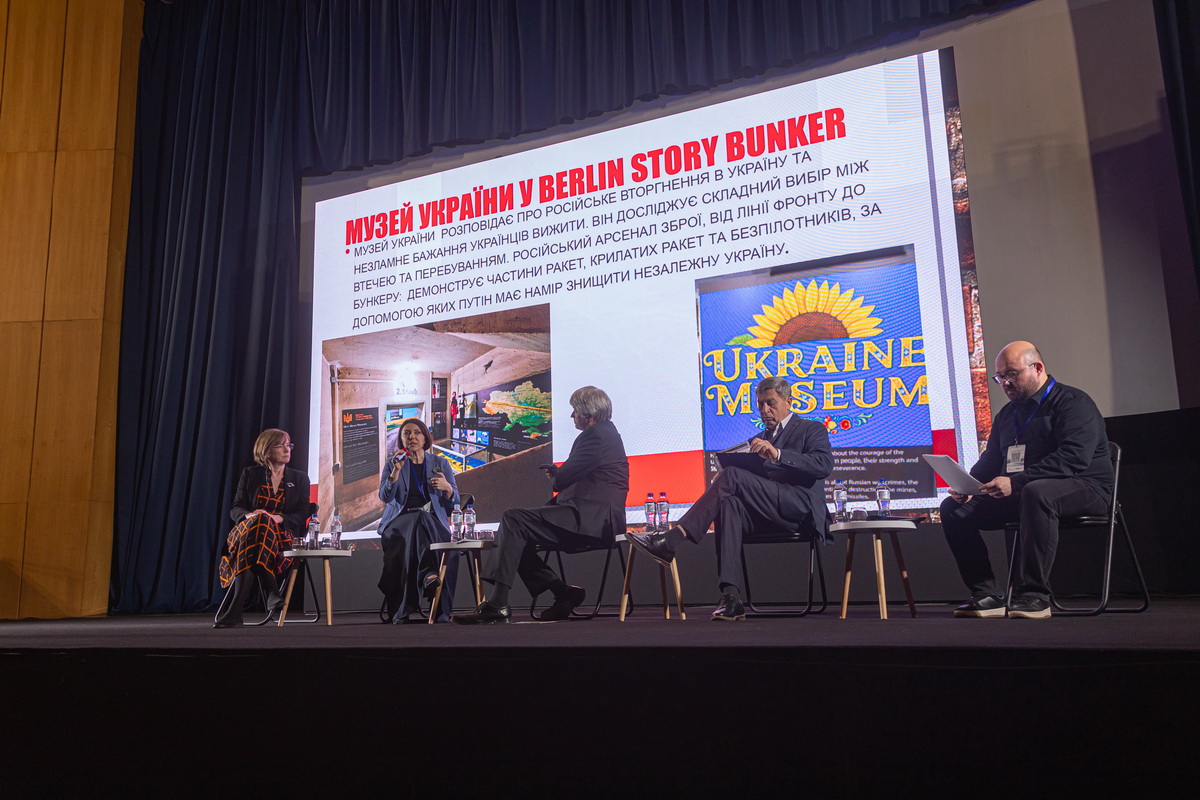
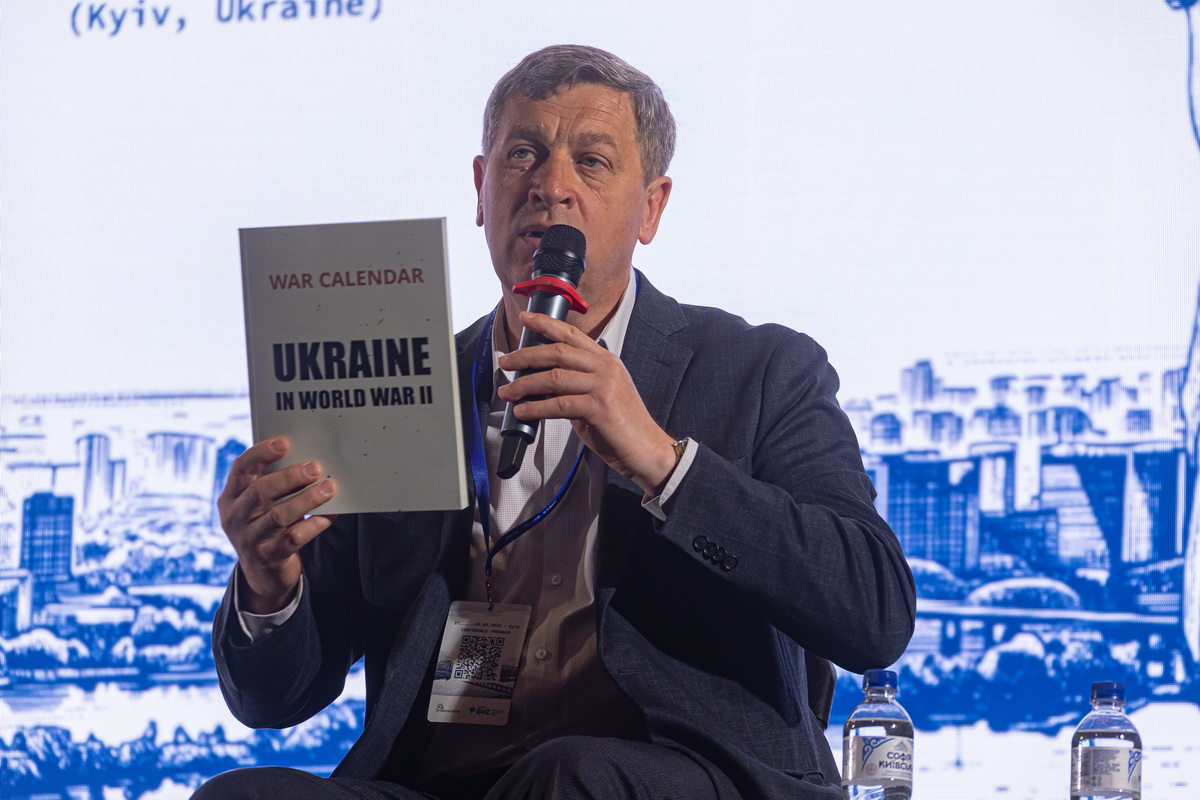
The panel brought together Caro Howell, Director-General of Imperial War Museums; Lars Rowe, Director of Exhibitions and Outreach at the National Defense Museum in Oslo, Norway; Jörg Morré, Director of the Museum Berlin-Karlshorst; Hanna Maliar, Professor at the National Academy of the Security Service of Ukraine; and Yurii Savchuk, Director General of the War Museum. Hanna Maliar shared the experience of opening the Ukrainian Museum in Berlin and spoke about what made this initiative possible. The panel was moderated by Dmytro Hainetdinov, Deputy Director General of the War Museum.
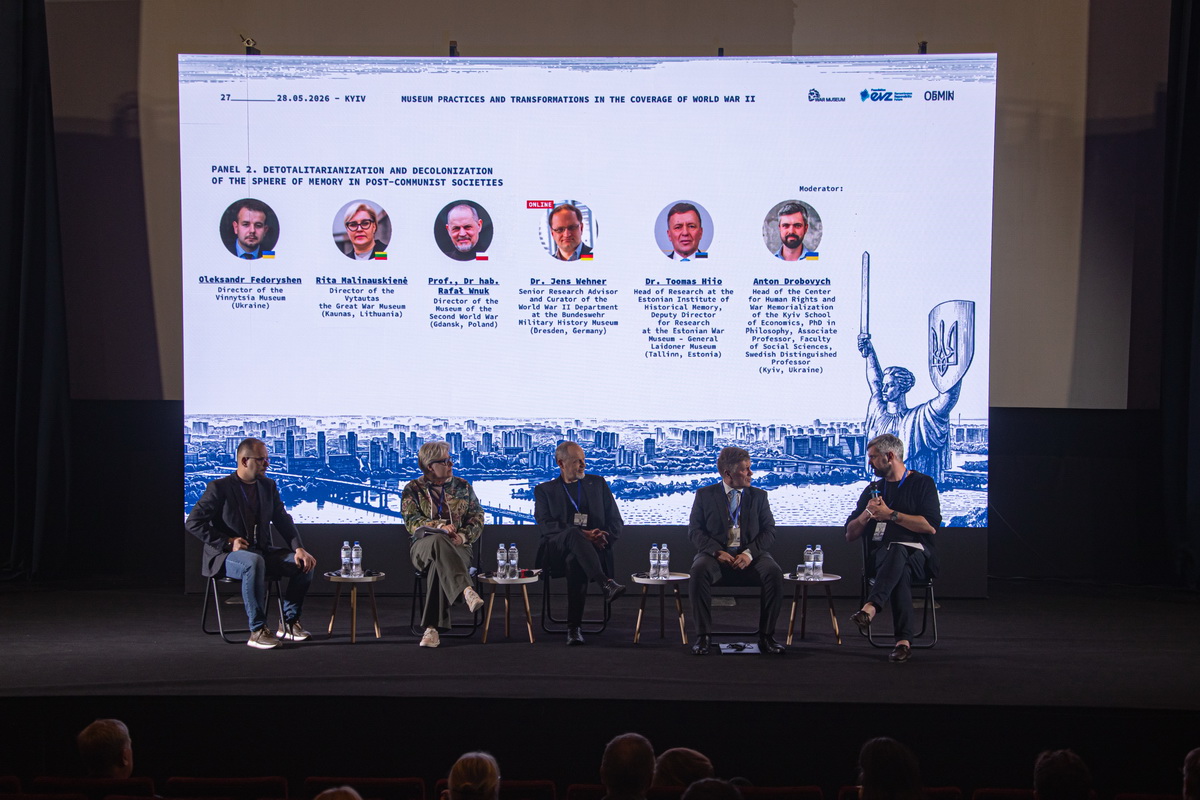
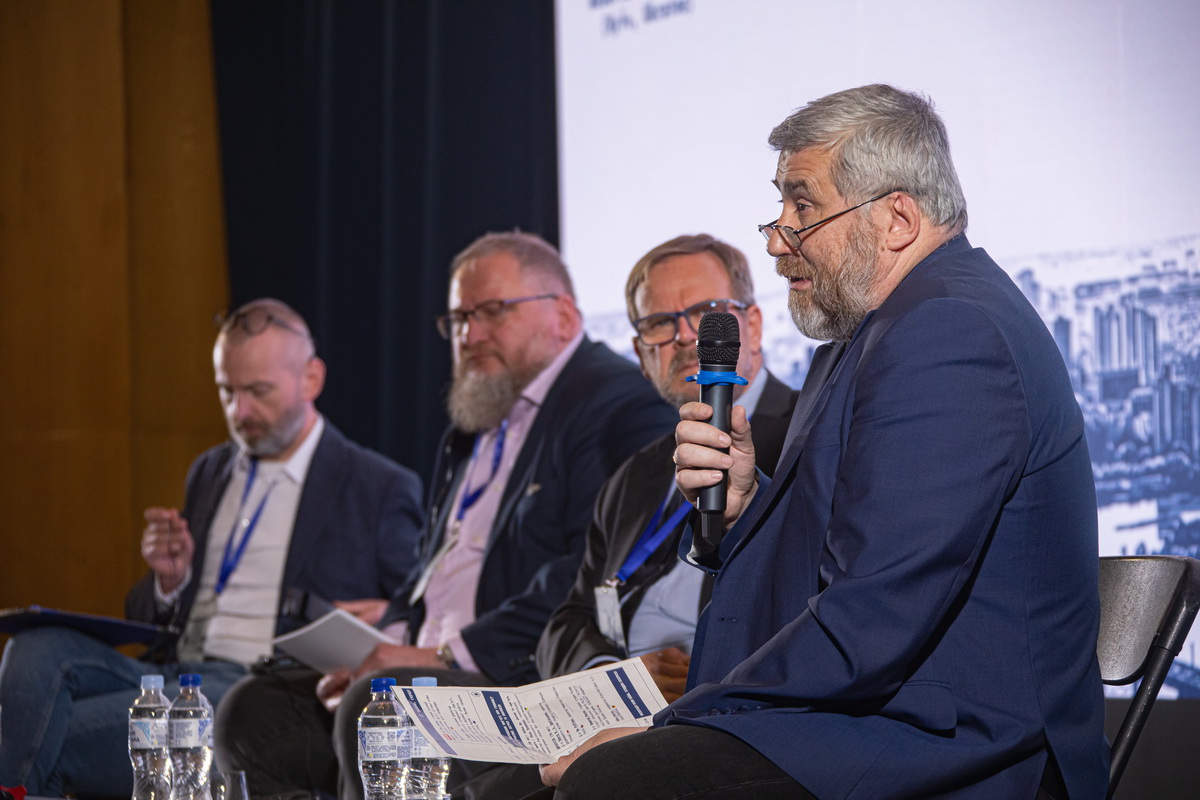
The second panel focused on detotalitarianization and decolonization in the field of memory across post-communist societies. Participants discussed the transformation of memorial spaces and the rethinking of the Soviet legacy.
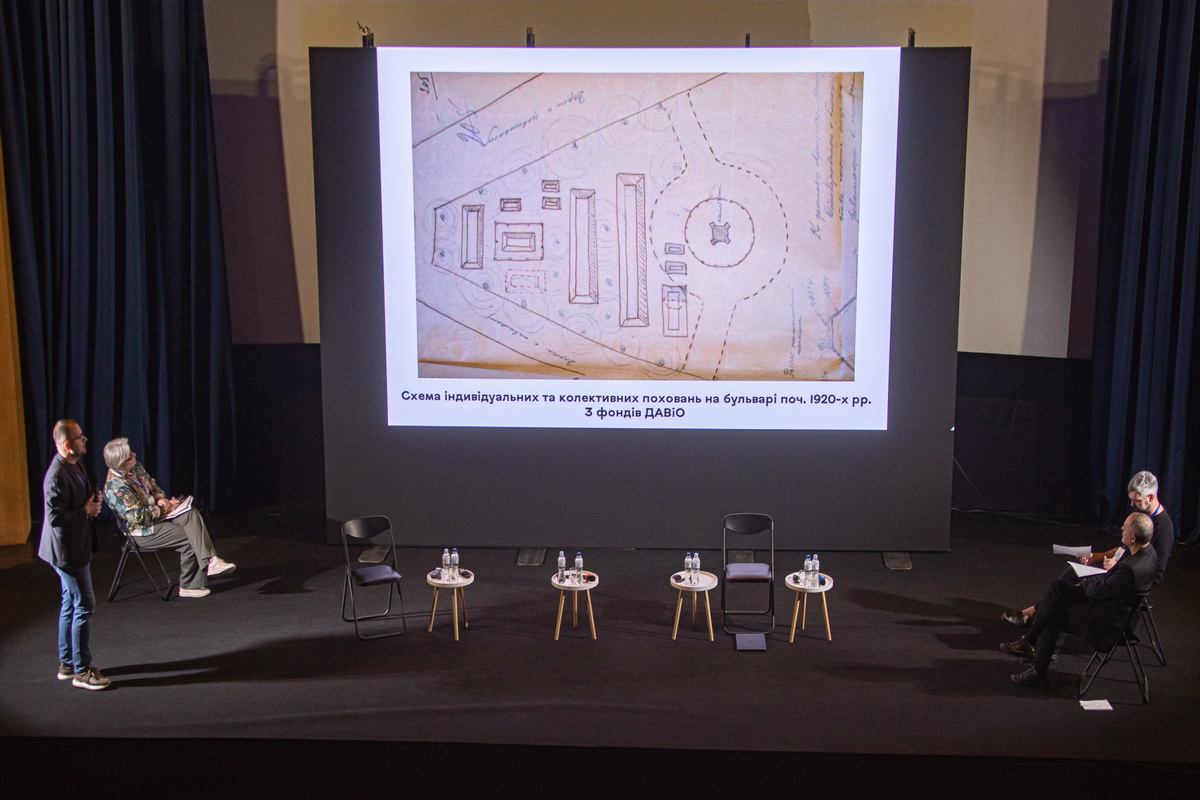
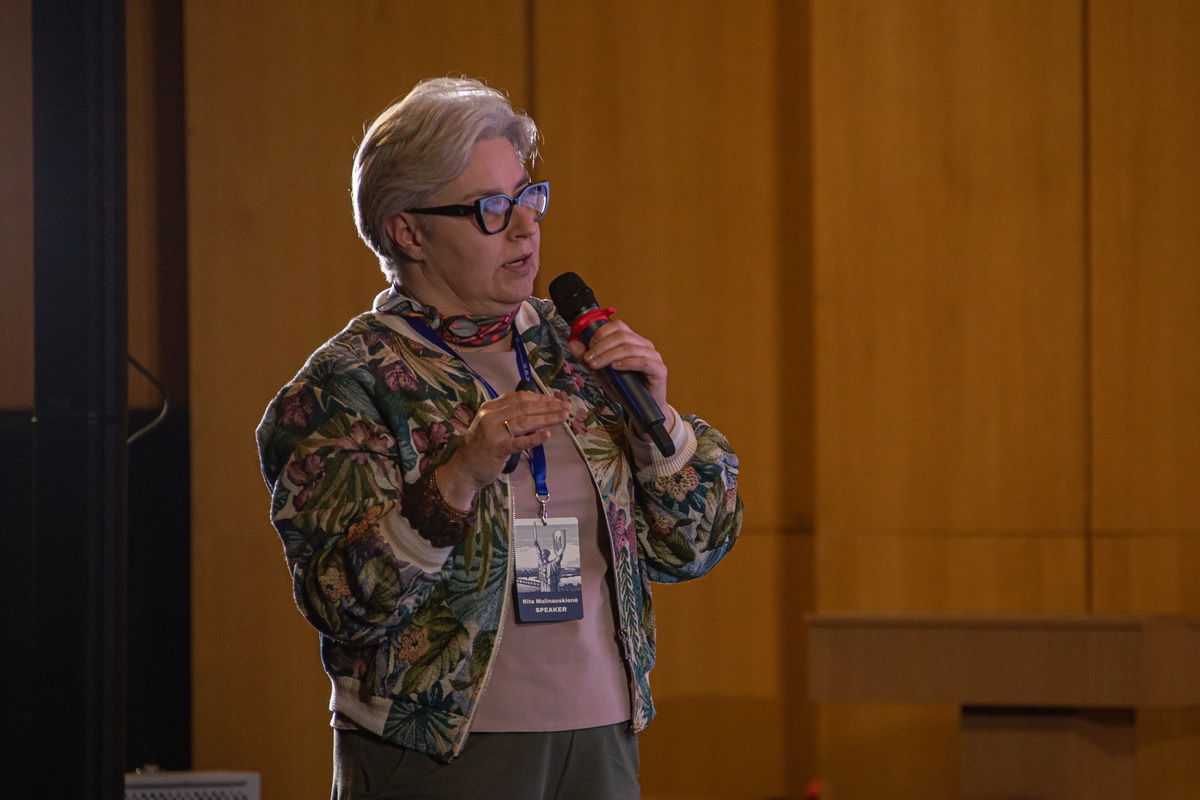
Oleksandr Fedoryshen, Director of the Museum of Vinnytsia, presented the case of the decommunization of the Memorial of Glory in Vinnytsia. Rita Malinauskienė, Director of the Vytautas the Great War Museum, spoke about the museum’s transformation from an instrument of Soviet propaganda into a space that exposes the crimes of the communist regime.
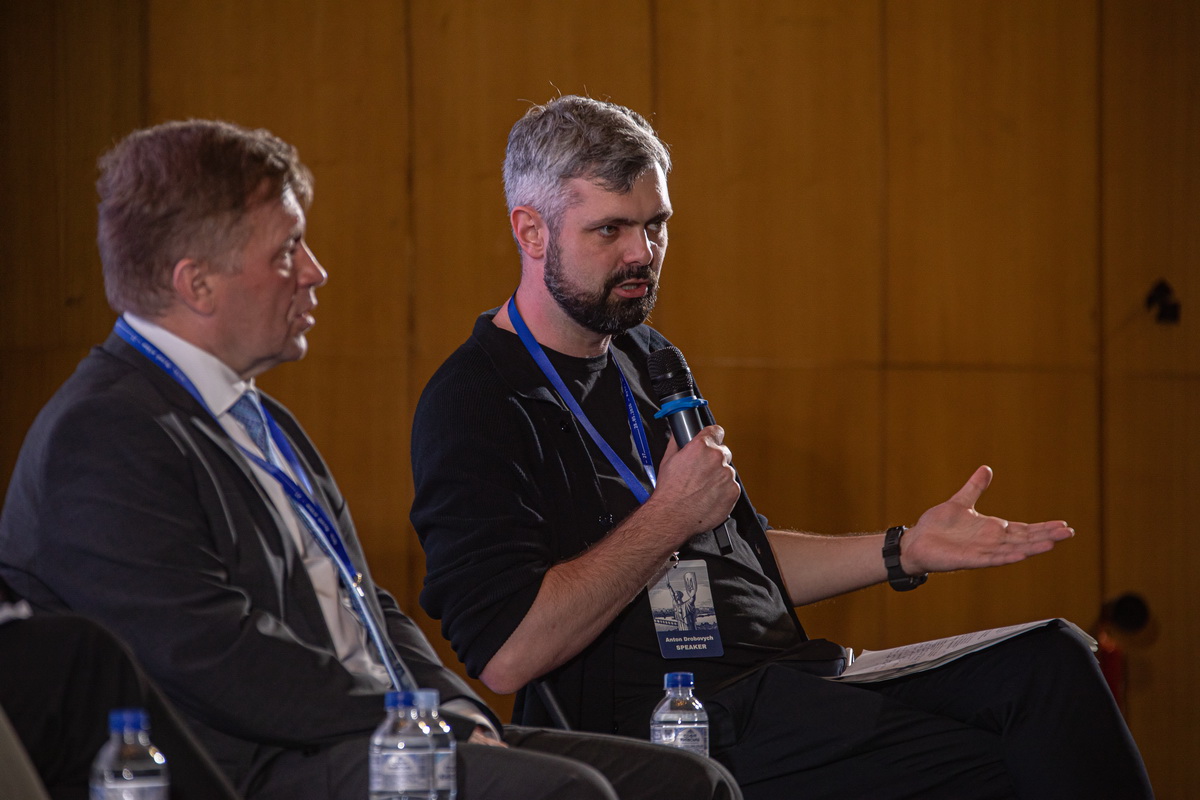
The discussion also featured Dr. Rafał Wnuk, Director of the Museum of the Second World War in Gdańsk; Toomas Hijo, Deputy Director for Research at the Estonian War Museum; and Eva Langhals, curator at the Bundeswehr Military History Museum, who joined the conversation online. The panel was moderated by Dr. Anton Drobovych.
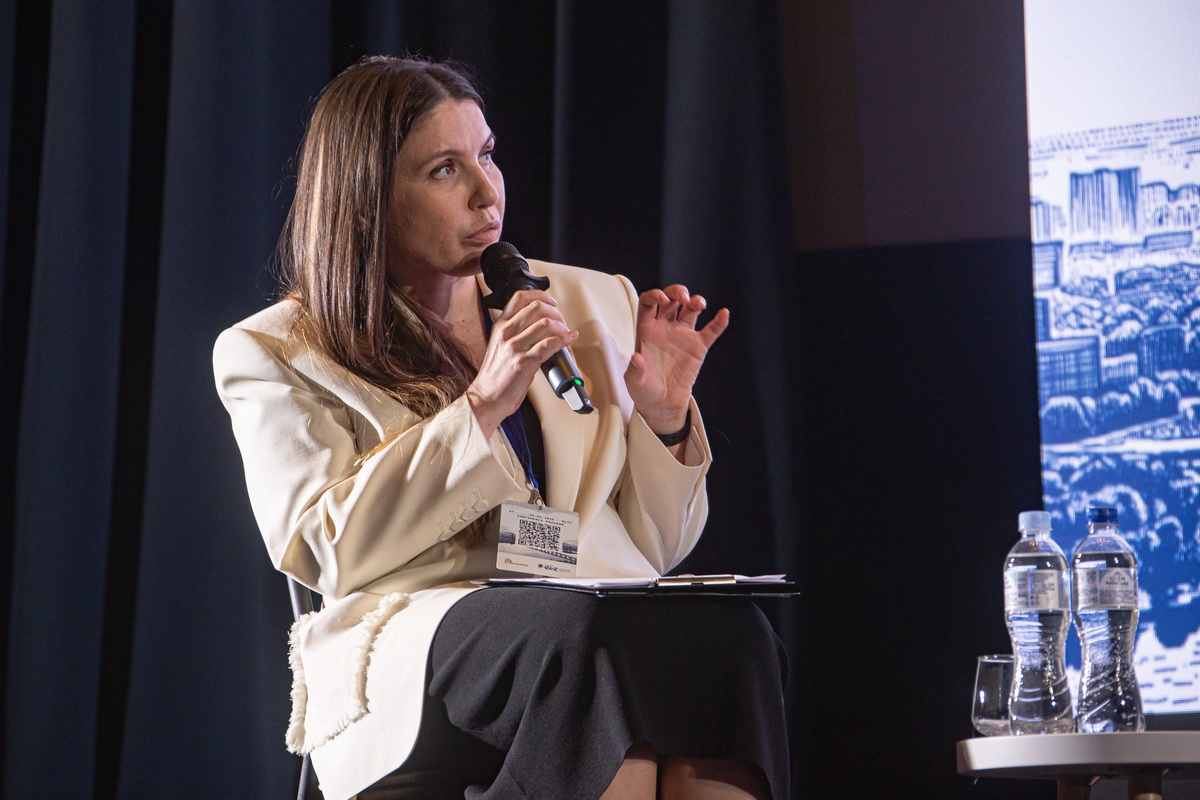
The third panel addressed the preservation of Holocaust memory in the face of today’s threats and challenges. Roza Tapanova, Director General of the Babyn Yar National Historical and Memorial Reserve, delivered the opening presentation on the Reserve’s work. She outlined the institution’s key projects implemented since 2022, including initiatives to reflect on the experience of war and document war crimes.
The panel participants discussed memorialization, museums’ responsibilities, and international cooperation to counter historical distortion.
The discussion brought together Dr. Piotr M. A. Cywiński, Director of the Auschwitz-Birkenau State Museum; Jan Roubínek, Director of the Terezín Memorial; Krzysztof Persak, Senior Historian at POLIN Museum; and Eike Stegen, Coordinator of Historikerlabor e.V. The panel was moderated by Anatolii Podolskyi, Director of the Ukrainian Center for Holocaust Studies.
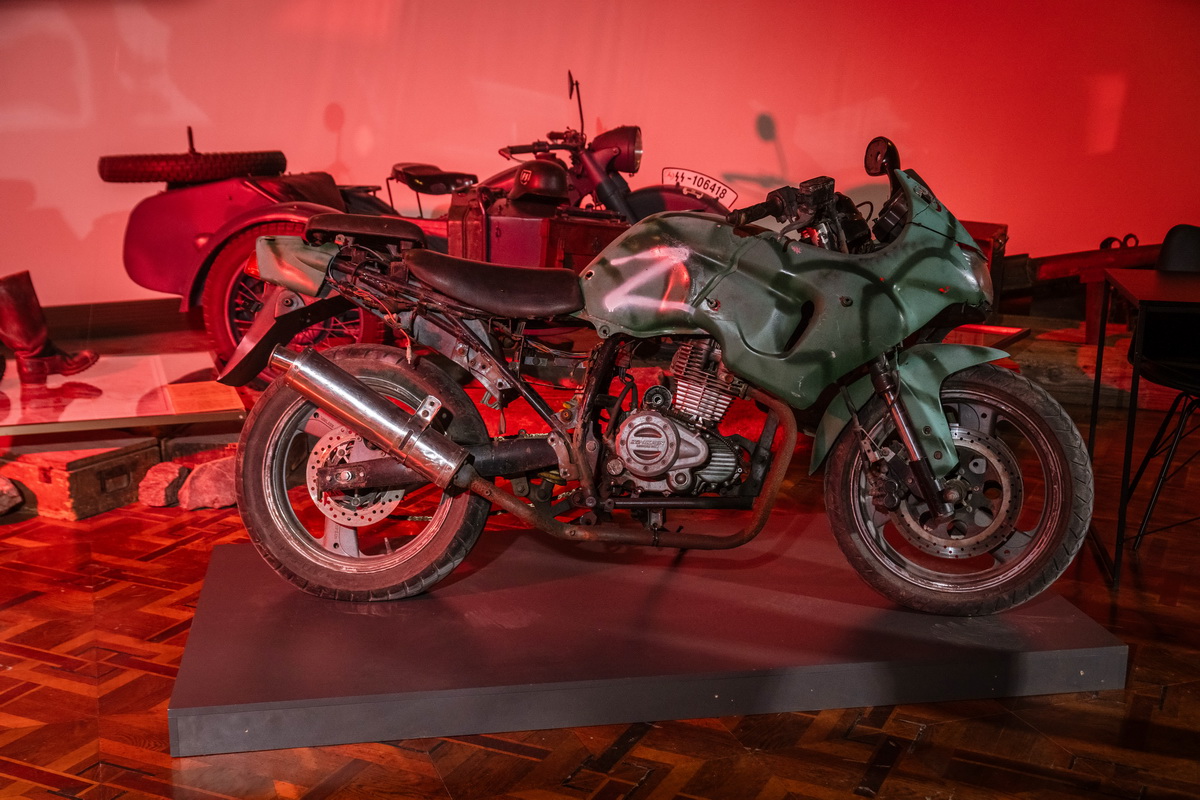
The first day of the conference concluded with a presentation of the War Museum and a guided tour for participants and guests.
Tomorrow, we will continue the conversation on the preservation of memory and approaches to memorializing traumatic events, including the russian-Ukrainian war.