

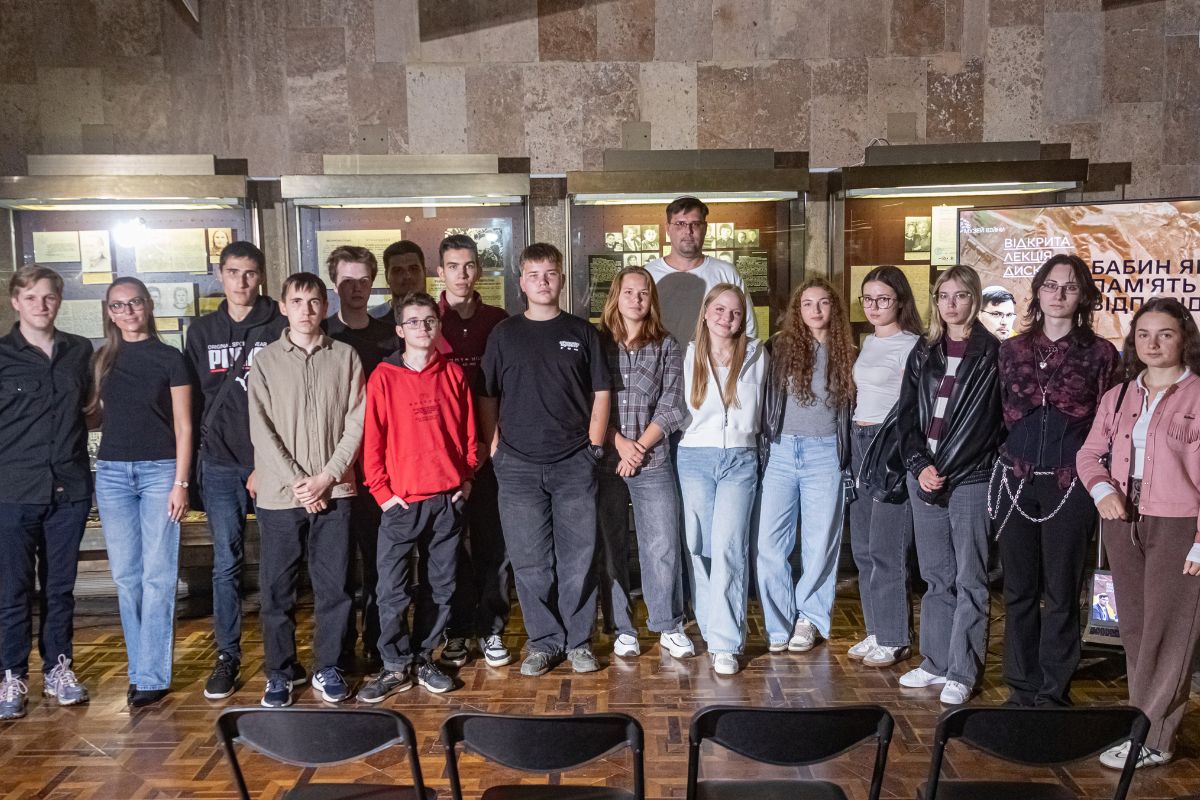
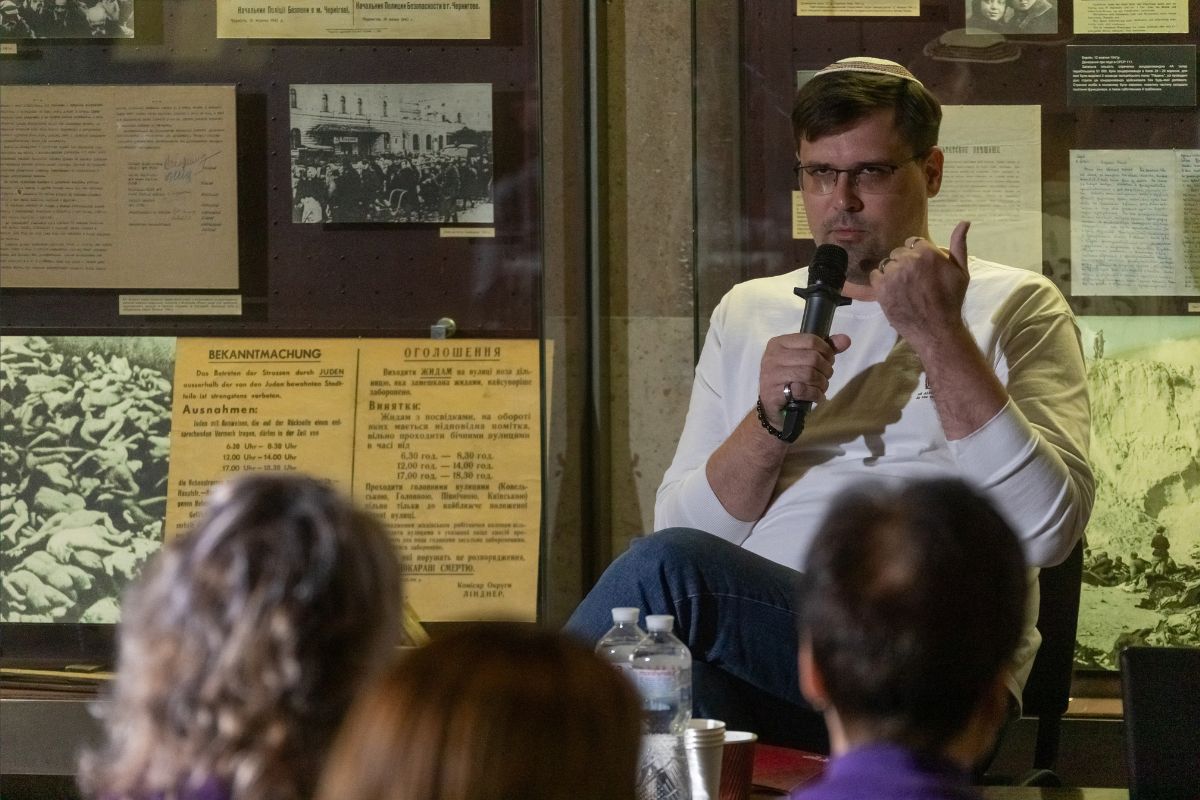
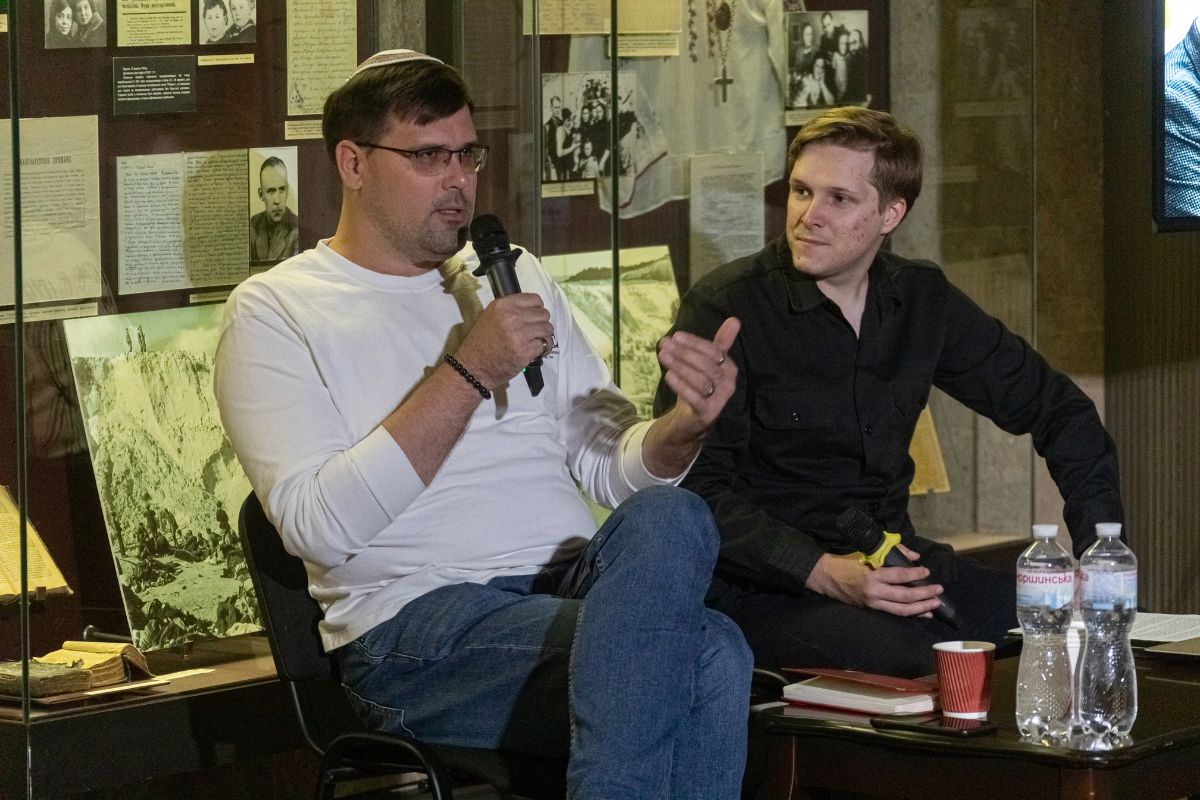
‘Babyn Yar: Memory as Responsibility’ open lecture and discussion was held in the War Museum to mark the Day of Remembrance for the Victims of Babyn Yar.
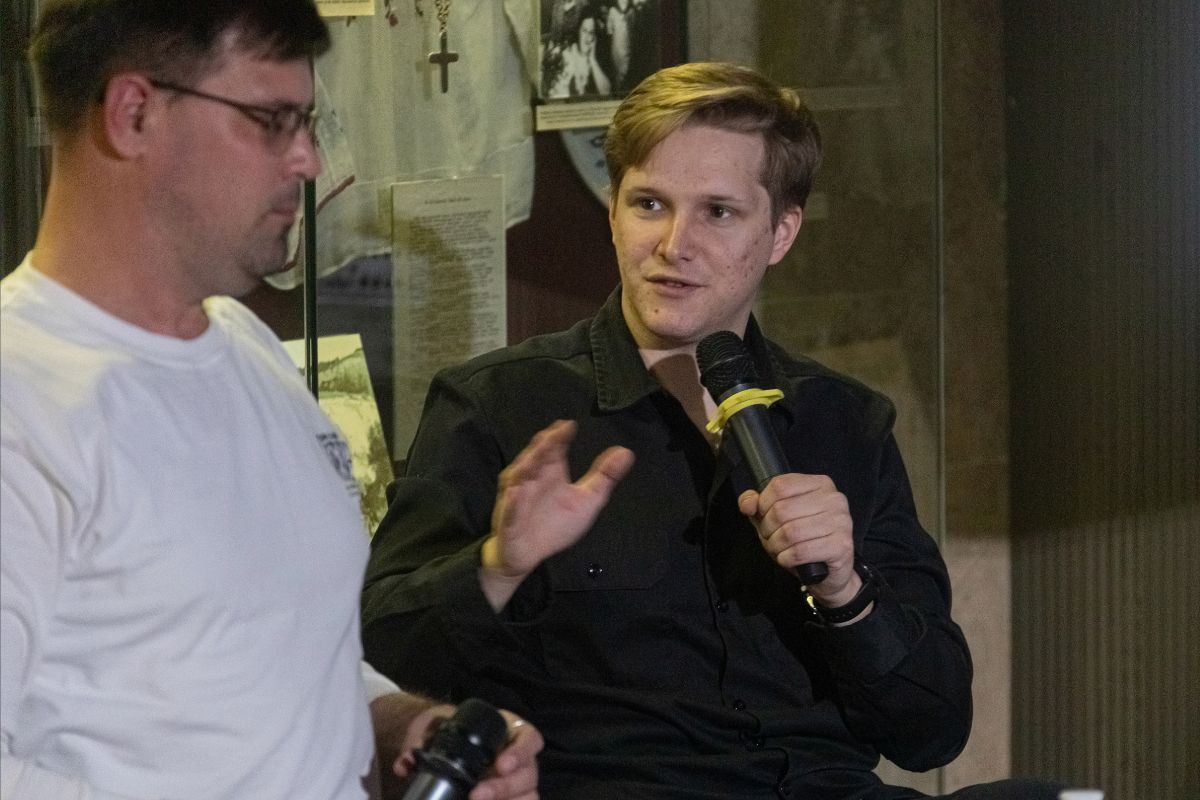
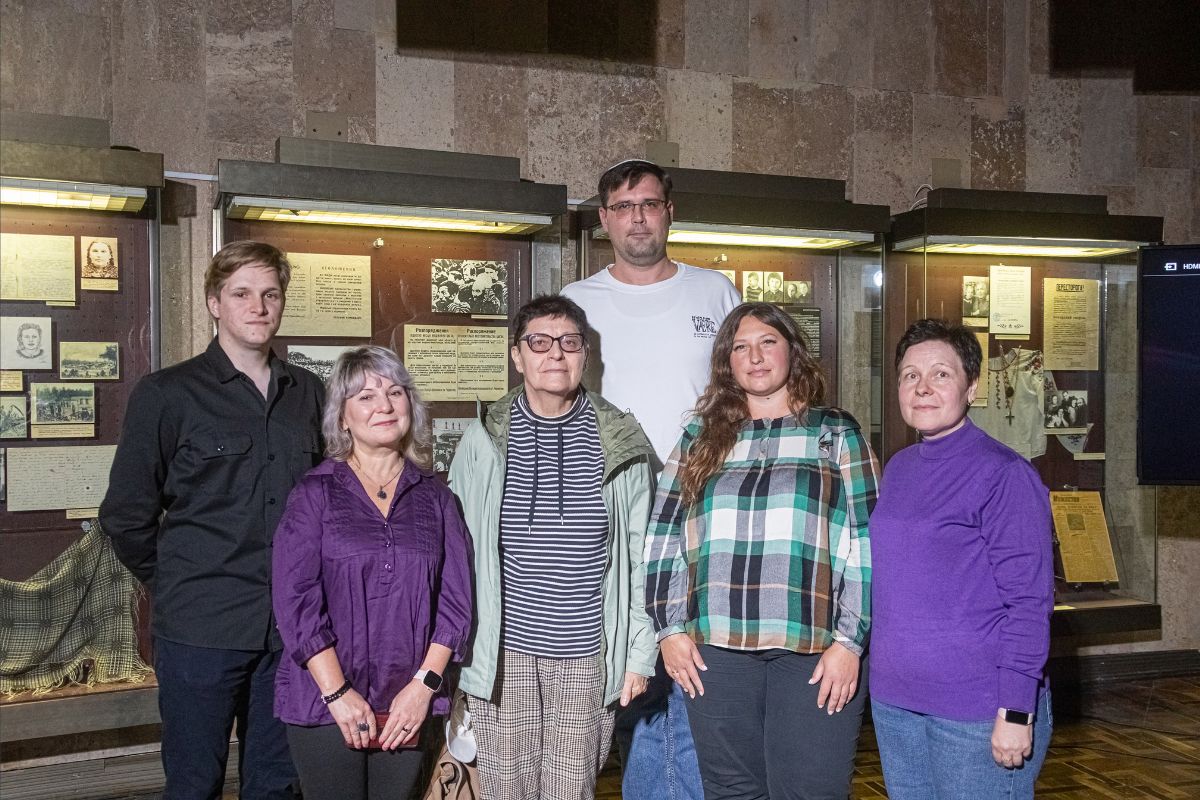
The event speaker was Yurii (Amir) Radchenko, a Candidate of Historical Sciences, researcher at the Babyn Yar National Historical and Memorial Reserve, doctoral student at the Department of World History at Oles Honchar Dnipro National University, and researcher at the Mykola Haievoi Center for Modern History at the Ukrainian Catholic University. The event was moderated by the Museum’s leading guide, Ihor Buchma.
The discussion was dedicated to the topic of how the Soviet authorities constructed a version of memory that suited their own agenda, systematically erasing the Jewish dimension of the tragedy. This was first reflected in the fate of the Jewish Anti-Fascist Committee. During the Second World War, the Kremlin eagerly utilised the committee to secure aid from the West, yet a few years later it launched a campaign against "cosmopolitanism," and the committee’s leaders faced repression.
However, erasing the memory proved impossible. The physical destruction of the tragedy site, i.e., the infamous mudslide of the ravine, which led to the horrific Kurenivka tragedy of 1961, only intensified public resistance. The year 1966 was a turning point. As Mr Radchenko emphasised, two rallies took place in September 1966 alone: an initial gathering on September 24 and a larger-scale rally on September 29, attended by writer Viktor Nekrasov, literary critic Ivan Dziuba, and concerned Kyiv residents. This bold action effectively forced the authorities to respond and erect at least some form of monument, though decades later. However, the system remained true to form, deliberately concealing the victims’ ethnicity and calling them abstract "peaceful Soviet citizens."
This manipulation sparked a prolonged struggle by dissidents and concerned individuals for the right to openly state that the people at Babyn Yar were exterminated primarily because they were Jewish. Despite immense pressure from the repressive state apparatus, Jewish communities across the USSR succeeded in erecting approximately 733 monuments to Holocaust victims.
It was only after the collapse of the USSR, when the 50th anniversary of the mass shootings was marked with the unveiling of the Menorah monument in 1991, that the true memory of the Jewish victims finally returned to the public sphere.
Today, scholars and the public face equally complex questions regarding the nature of modern memorial spaces and how best to safeguard historical truth against new forms of manipulation.
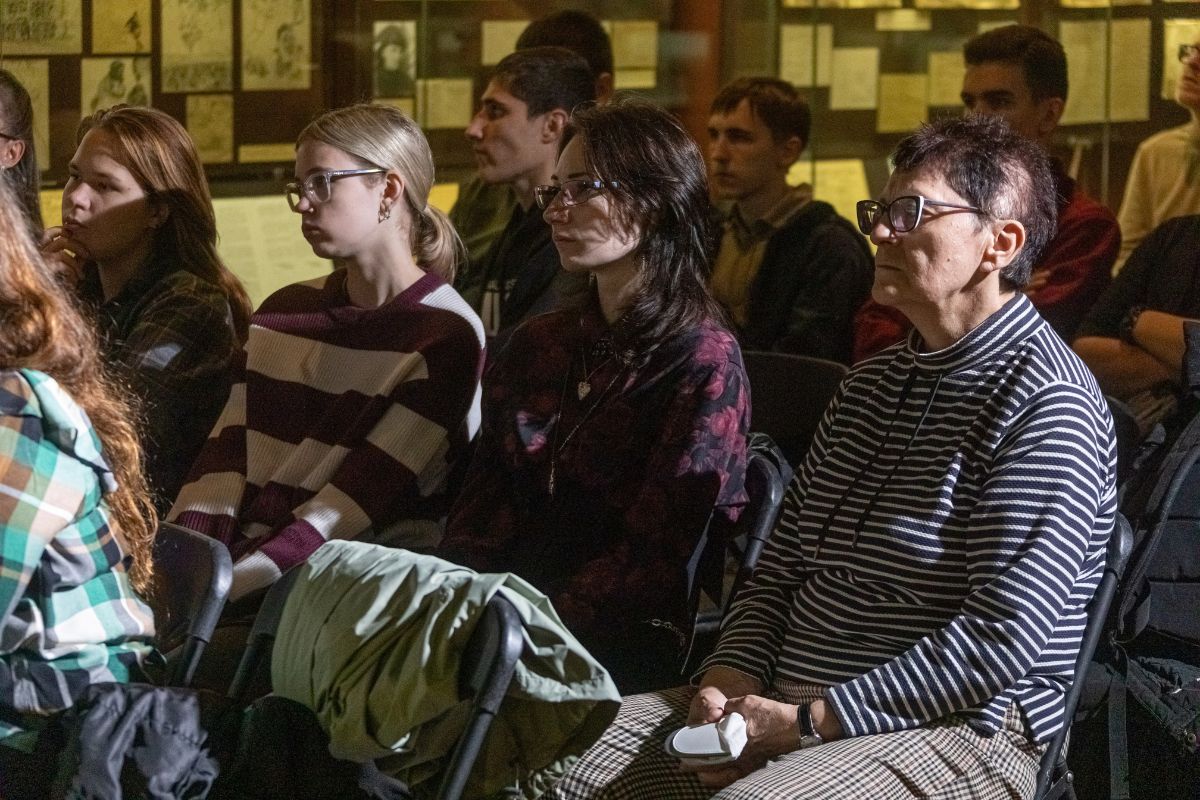
The event was attended by history students from the Dragomanov Ukrainian State University and representatives of the Prystolychna territorial community. The audience demonstrated remarkable engagement with the subject, impressing the speaker with the depth of their questions. Such focused attention on complex topics is precisely what prevents memory from being reduced to mere dry statistics.
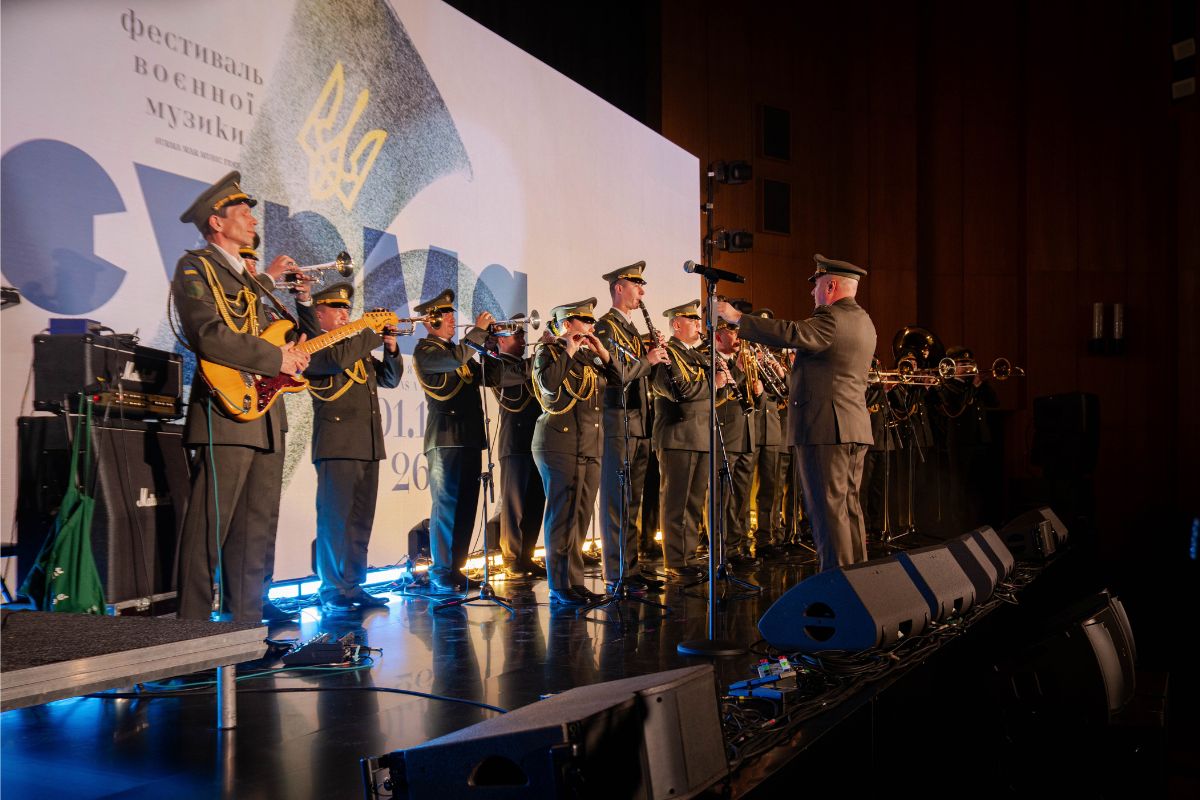
On October 1, the Surma military music festival resonated once again at the War Museum
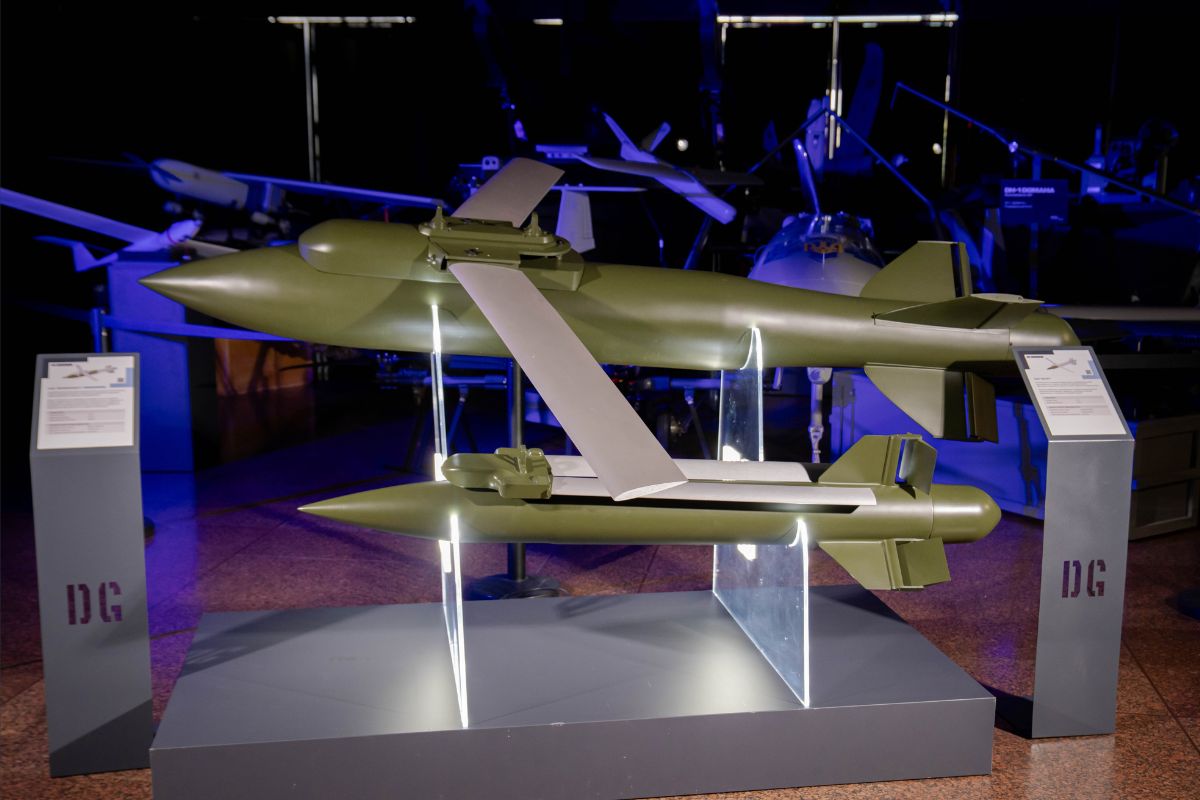
The Ukrainian defense company DG Industry has donated mock-ups of guided aerial bombs—including the KAB "Vyrivniuvach"—to the War Museum's collection.